


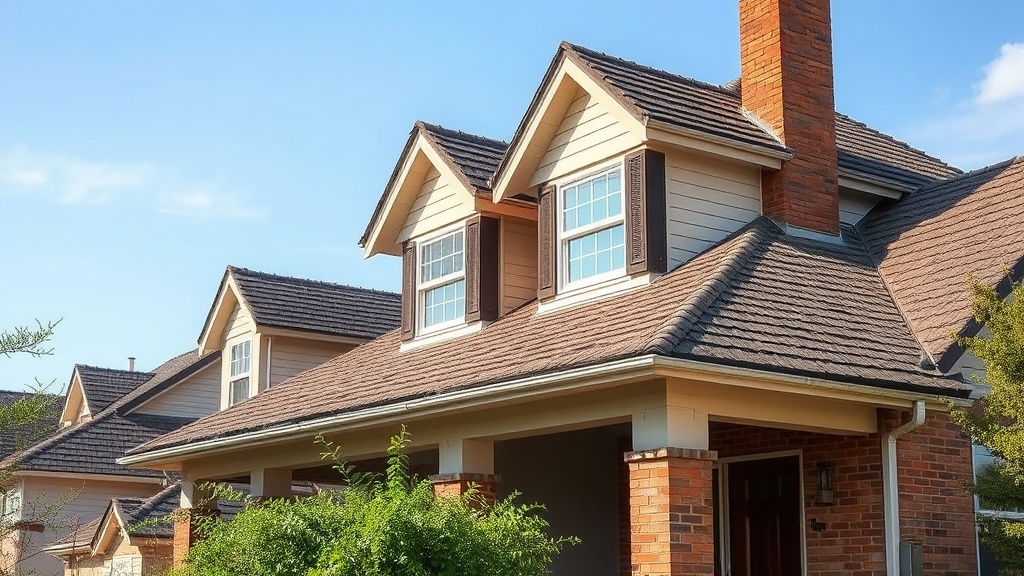
Homeowners across the country are facing a significant shift in financial responsibility regarding property maintenance, as recent industry adjustments have increasingly moved the burden of roof-replacement costs from insurance providers to the property owners themselves. This transition, which has gained momentum just as regions enter peak seasons for hail and hurricane damage, leaves many policyholders evaluating the long-term impact of their insurance coverage.
The Cost-Benefit Dilemma
For many property owners, the discovery of extensive roof damage now presents a difficult financial choice. When faced with the need for repairs or full replacement, homeowners must weigh two primary options:
- Filing an insurance claim: While this provides immediate financial assistance, it often carries the risk of significant premium increases in subsequent renewal cycles.
- Out-of-pocket payment: Choosing to pay for repairs directly avoids policy-based premium hikes but requires substantial immediate liquidity from the homeowner.
This dynamic has created a precarious environment for consumers who previously relied on standard property insurance to mitigate the high costs associated with major weather-related structural damage. As insurers re-evaluate risk models in response to rising material costs and frequent extreme weather events, the threshold for what constitutes a covered loss has tightened.
Macro Implications for Property Owners
The trend reflects broader challenges within the property insurance market, where inflation in construction materials and labor costs has pressured underwriting margins. As insurers look to stabilize their balance sheets, they have become more selective in how they process claims related to aging infrastructure or partial damage.
For the average household, this change underscores the importance of proactive property maintenance. With the potential for higher out-of-pocket expenses, homeowners are encouraged to conduct thorough inspections before and after severe weather events. Understanding the specific language within a property insurance policy—particularly concerning replacement cost value versus actual cash value—is now more critical than ever for financial planning.
As these market adjustments continue, the cumulative effect may be a decrease in the overall reliance on insurance for smaller-scale maintenance projects, effectively shifting the risk profile of residential properties more heavily onto the individual owner.