

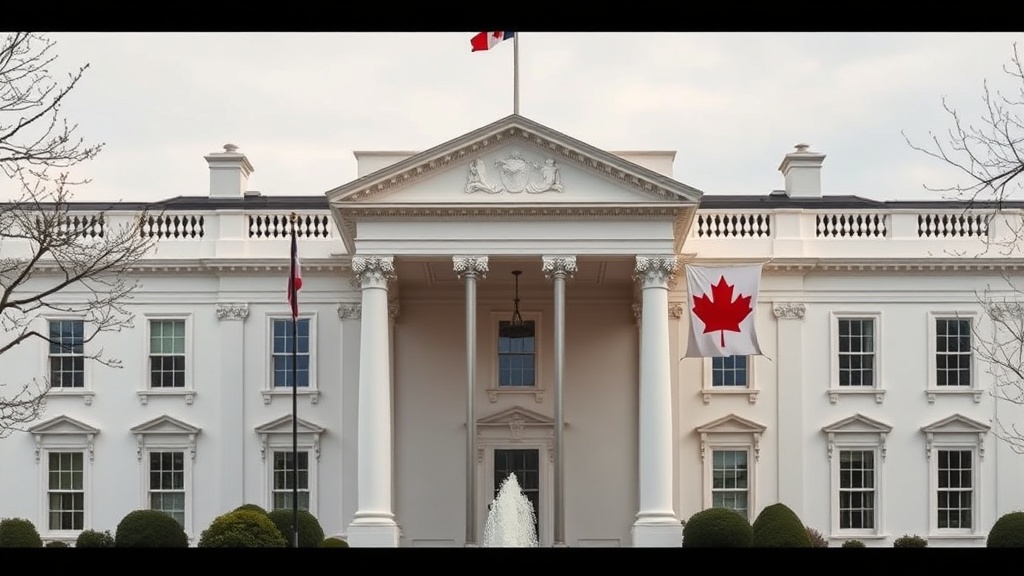
Overview of New Trade Measures
The White House announced on Monday that the United States will impose a 50% tariff on the majority of goods imported from Canada. According to official proclamations, the move is a response to what the administration describes as unfair discrimination against U.S. automobiles, alcohol, and dairy products. The tariffs were enacted under Section 338 of the 1930 Trade Act.
Scope and Exemptions
The new trade measures apply to a broad spectrum of Canadian goods, including wine, cement, and sporting equipment such as hockey sticks. Crucially, these tariffs extend to items previously protected from import duties under the United States-Mexico-Canada Agreement (USMCA).
The administration has outlined specific exemptions to the order:
- Energy products
- Fish and seafood
- Critical minerals
- Potash
- Goods already subject to national security tariffs, such as steel and aluminum
Basis for the Proclamations
The administration’s rationale for the tariffs centers on claims that Canada has engaged in unequal treatment of U.S. commerce. In the official documents, President Trump highlighted that Canada had implemented a 25% tariff on U.S. motor vehicles that did not qualify for preferential treatment under the USMCA, beginning in April 2025. Additionally, the White House cited restrictions on the sale of U.S. alcoholic beverages in most Canadian provinces and territories, as well as specific disagreements regarding the treatment of American dairy products compared to European imports.
These actions follow a period of heightened diplomatic tension. Earlier, the administration had suggested that tariff measures might be linked to concerns regarding fentanyl smuggling and, more recently, to the environmental impact of wildfire smoke drifting across the U.S. border.
Economic Implications
Market analysts are monitoring the potential for increased volatility in cross-border trade. Because the U.S. and Canadian economies are deeply integrated, the imposition of a 50% tariff is expected to complicate supply chains and potentially exert upward pressure on consumer prices for affected goods.
The use of Section 338, a trade provision that grants the executive branch broad authority to respond to foreign trade practices, has previously been the subject of legislative debate. Some lawmakers have expressed concerns that the use of this authority could lead to broader economic destabilization.
As of Monday, the administration maintained that the measures are intended to hold Canada accountable for policies it views as burdensome to U.S. commercial interests.