


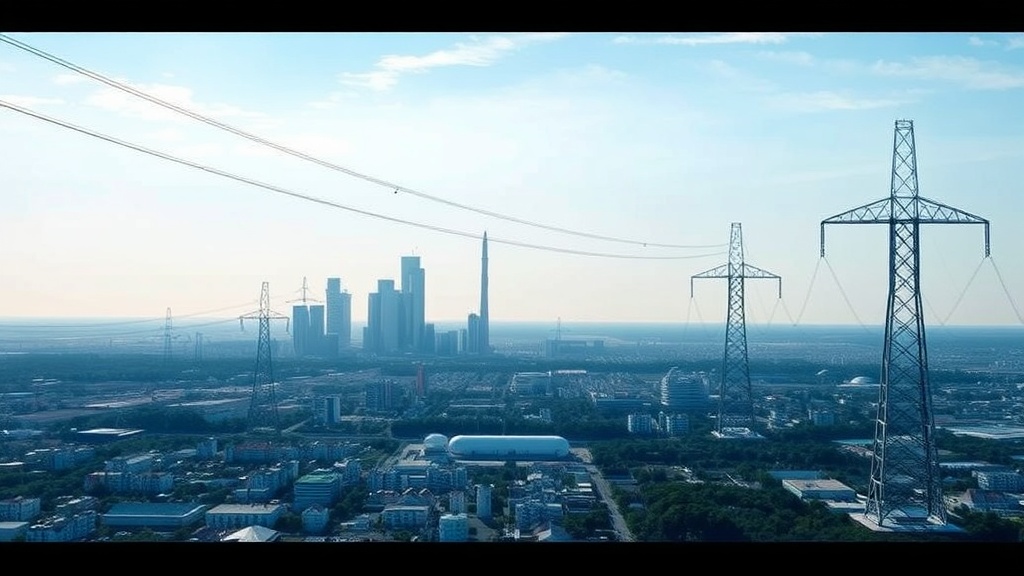
The utility sector has undergone a significant transformation in 2026, driven by a surge in power demand from artificial intelligence data centers. This structural shift has compelled investors to re-evaluate traditional utility exchange-traded funds (ETFs), moving away from viewing them solely as defensive, income-generating assets toward seeing them as potential beneficiaries of the infrastructure required for the AI revolution.
The Intersection of AI and Infrastructure
Data center expansion is projected to drive approximately 25% annual growth in equipment demand over the next four to five years, according to research cited in PineBridge’s 2026 Equity Outlook. This growth is currently constrained by electrical infrastructure and transmission capacity, creating a “bull case” for utilities capable of providing the necessary power.
This theme has pushed the Utilities Select Sector SPDR Fund (XLU) to trade at 23x earnings, a level significantly above its historical norm of 17x. Much of this re-rating is attributed to the presence of merchant power producers like Constellation and Vistra within these funds, which have secured supply arrangements directly with major hyperscalers.
Evaluating the ETF Landscape
Investors looking for exposure to this sector have several distinct vehicles, each with different structural approaches to the AI power theme:
- Utilities Select Sector SPDR Fund (XLU): As the most prominent fund in the sector, XLU is market-cap weighted. Consequently, its portfolio is heavily influenced by large-cap players benefiting from AI contracts, with top holdings like NextEra Energy accounting for roughly 14% of assets. It offers a 2.6% dividend yield and an expense ratio of 0.08%.
- Vanguard Utilities ETF (VPU): This fund provides a broader exposure to the utility sector by including a larger roster of small- and mid-cap names alongside the industry giants. It serves as a more diversified alternative for those seeking to mitigate concentration risk in a handful of merchant power stocks.
- Invesco S&P 500 Equal Weight Utilities ETF (RSPU): By assigning each utility stock an equal weight and rebalancing quarterly, RSPU dilutes the concentration of top-tier names. This structure may outperform if the AI power demand theme broadens beyond the largest utilities to smaller firms benefiting from transmission upgrades and regulated rate cases.
- Virtus Reaves Utilities ETF (UTES): As an actively managed fund, UTES allows managers to shift allocations between regulated utilities, independent power producers, and grid-adjacent businesses. This provides a more concentrated, human-directed approach to the sector.
Macroeconomic Considerations
While power demand provides a strong thematic tailwind, utility ETFs remain inherently sensitive to broader macroeconomic conditions. The Federal Reserve has maintained the target rate at 3.75% through the first half of 2026 following a 75-basis-point cut late last year. While lower short-term rates generally benefit the capital-intensive utility sector, the 10-year Treasury yield—currently hovering near 4.54%—presents a hurdle.
The elevated yield on the 10-year Treasury serves as a potential cap on valuation multiples. For income-focused investors, the 2.6% yield of funds like XLU must be weighed against the fixed-income alternative of Treasury bonds. While utility dividends have historically trended upward, the sector’s current valuation premium reflects a high degree of market expectation, leaving little room for error should macroeconomic pressures intensify or the AI demand growth trajectory falter.