


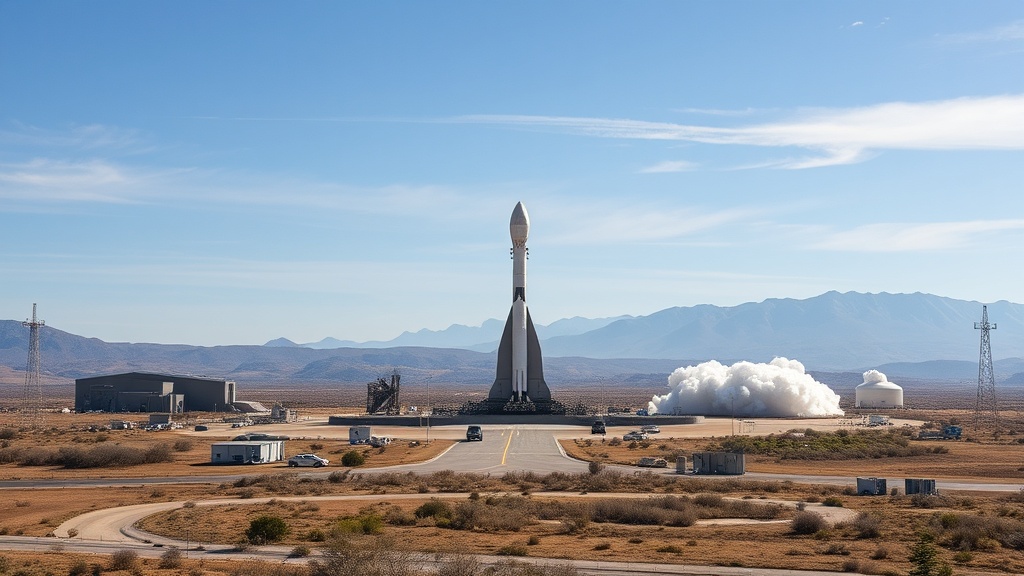


The Evolution of the Space Economy
The recent initial public offering of SpaceX has served as a pivotal catalyst for the commercial space sector, marking what analysts describe as the opening act of a broader structural transformation. According to data from Space Capital, private investment in the space economy reached $31.6 billion across 129 companies in the first half of 2026, already surpassing the total investment recorded for the entire year of 2025.
Since 2009, the sector has attracted $488 billion in capital across more than 2,400 companies. While early assessments of the space economy were frequently limited to aerospace and defense hardware, recent market activity suggests a transition toward integrated infrastructure models that encompass communications, high-performance computing, and artificial intelligence.
Infrastructure Over Hardware
SpaceX’s transition from a launch-focused entity to an integrated platform has challenged traditional Wall Street categorization. By merging with xAI and acquiring Cursor, alongside securing significant AI compute agreements with Anthropic and Google, the company is positioning itself as a foundational provider of AI infrastructure. Industry observers compare this vertical integration to historical precedents in the oil and steel industries, where control over the entire supply chain—from extraction to delivery—defined market dominance.
Chad Anderson, founder and CEO of Space Capital, notes that the SpaceX IPO functions as a significant liquidity event, returning roughly 171 times the capital the company raised. This performance stands in contrast to other major technology debuts, highlighting the premium market participants place on firms that control essential infrastructure rather than just end-user applications.
Market Dynamics and Future Outlook
The surge in space-related capital has created both opportunities and competitive pressures. As SpaceX prioritizes its internal Starlink and AI satellite deployment, small satellite operators are facing tighter launch capacity. Market analysts suggest this shift represents a “reversion” to the intended primary use of launch systems, where excess capacity was previously a byproduct rather than a guaranteed service for third parties.
This tightening of supply is expected to drive demand for launch services, potentially benefiting companies that manage, broker, and enable access to orbit. The current market landscape includes 106 private space companies with valuations exceeding $1 billion, representing a combined private market value of approximately $648 billion.
The path to public market exposure is also widening. The Q2 Space IQ report identified $90.3 billion across 42 exits, including public debuts and acquisitions. With other major players, such as Blue Origin, indicating potential requirements for external capital and the ongoing integration of existing publicly traded firms like Rocket Lab, the sector is entering a phase of increased institutional scrutiny and potential consolidation.