



The Psychological Dimensions of Retirement Planning
While much of the financial discourse surrounding retirement centers on the accumulation of assets and the mitigation of longevity risk—specifically the fear of outliving one’s savings—analytical perspectives suggest that the most significant retirement challenges are not purely arithmetic. For many, the transition from a career-focused existence to a period of leisure requires a recalibration of purpose that extends far beyond the balance sheet.
Redefining Financial Success
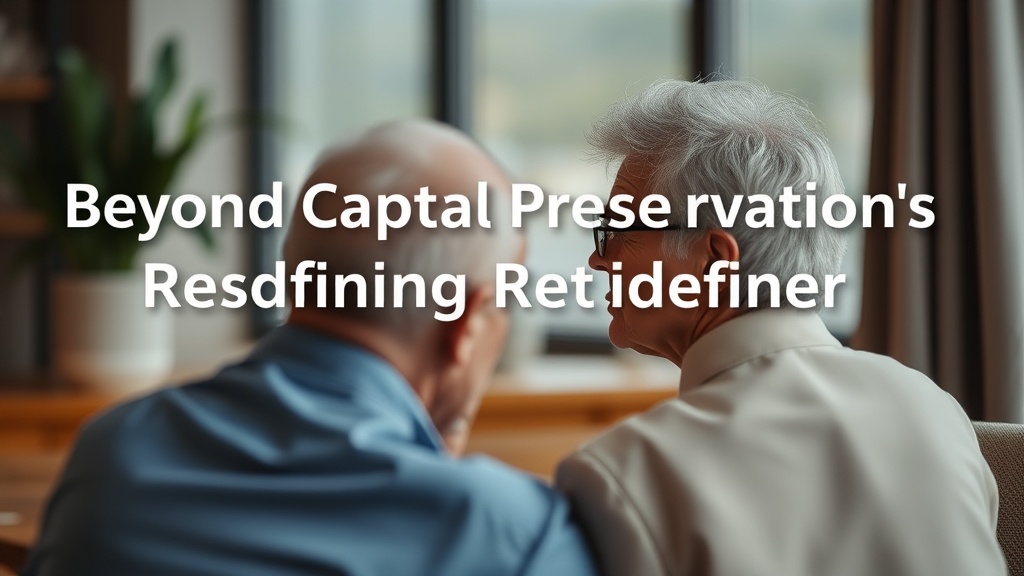
Financial literacy often emphasizes the importance of asset allocation, tax efficiency, and sustainable withdrawal rates. These remain the bedrock of a secure retirement. However, advisors are increasingly noting that a focus solely on capital preservation can lead to a ‘poverty of purpose.’ When individuals equate their entire self-worth with their professional output or their net worth, the cessation of work can create a psychological vacuum that no amount of wealth can fill.
Recent discussions on the topic highlight that the most significant regret reported by retirees often involves the failure to engage in meaningful activities or to cultivate social capital during their working years. This perspective shifts the focus from ‘how much do I have’ to ‘what is the quality of my time.’ Experts suggest that true retirement success is not merely the absence of financial distress, but the presence of a structured, fulfilling lifestyle that replaces the social and intellectual stimulation previously provided by the workplace.
The Risk of Purpose Deficit
The economic implications of this transition are notable. A lack of engagement can lead to premature health decline and increased healthcare costs, which in turn place greater pressure on retirement portfolios. Therefore, holistic financial planning should ideally incorporate non-financial goals, such as:
- Social Integration: Maintaining and expanding professional and personal networks.
- Intellectual Engagement: Pursuing education, hobbies, or community involvement that requires active cognitive participation.
- Contribution: Finding avenues for mentorship or volunteerism that provide a sense of utility.
While the market environment remains volatile and inflation continues to impact purchasing power, the importance of maintaining an active, purpose-driven life remains a critical, albeit often overlooked, component of long-term economic stability. For investors and retirees alike, the challenge lies in balancing the prudent management of capital with the intentional design of one’s post-career life.