



Strategic Petroleum Reserve Faces Operational Challenges
The United States’ Strategic Petroleum Reserve (SPR)—the nation’s emergency supply of crude oil—is contending with significant infrastructure hurdles that complicate its ability to maintain historical stockpile levels. A recent government report has shed light on the technical and structural issues currently affecting the reserve, raising questions about the operational readiness of the federal storage facilities.
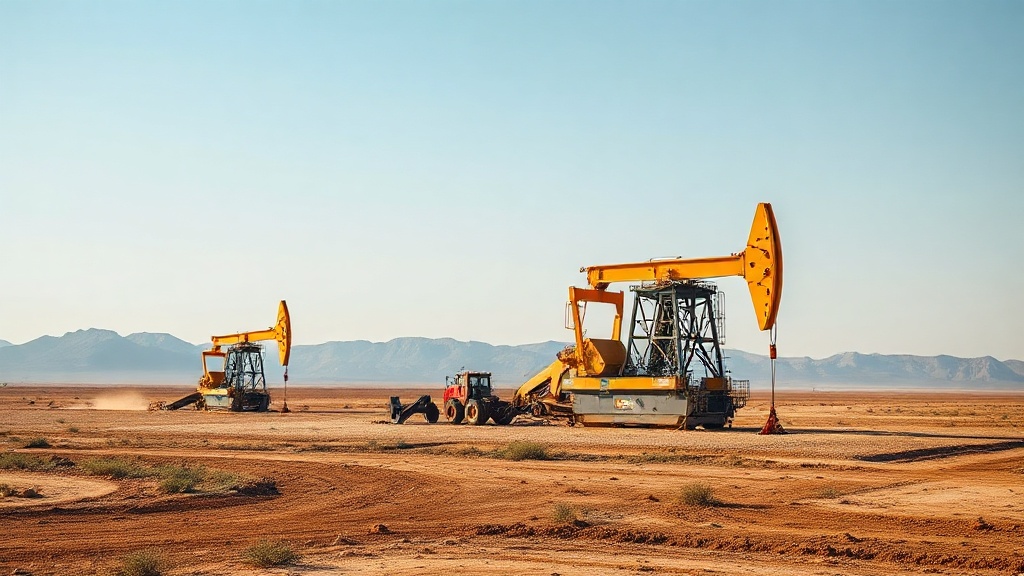
According to the findings, the SPR is navigating a period of heightened vulnerability. The report points to a combination of equipment failures, structural leaks, and spills that have hampered the maintenance and storage capacity of the sites. These logistical challenges occur as energy policy remains a central focus for national security and economic stability.
Infrastructure and Maintenance Concerns
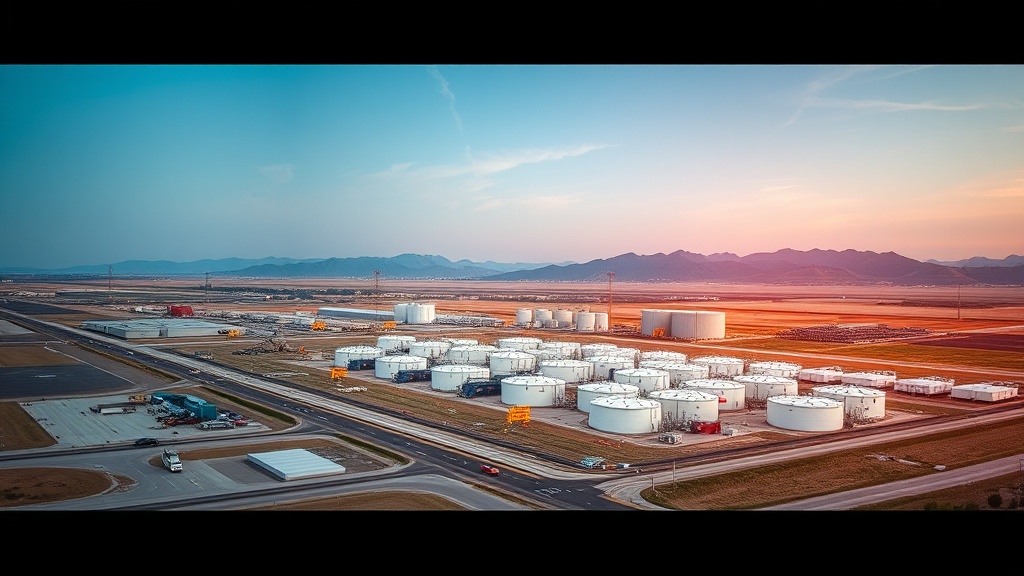
The SPR, which consists of a network of underground salt caverns across Texas and Louisiana, was designed to provide a critical buffer against major supply disruptions. However, the aging infrastructure of these sites has become a subject of increased scrutiny. The report highlights that the physical integrity of the storage systems has been compromised by:
- Equipment Failures: Critical systems responsible for the extraction and processing of stored oil have experienced recurring malfunctions.
- Structural Leaks and Spills: Issues related to the containment environment have necessitated repairs and operational adjustments.
These findings suggest that the challenge of maintaining the SPR goes beyond simple inventory management; it involves a complex, long-term capital expenditure project to modernize the facilities to ensure they remain capable of fulfilling their mandate during global energy market volatility.
Contextualizing Energy Security
The state of the SPR is frequently viewed through the lens of macro-energy security. While government agencies continue to manage the replenishment process, the technical limitations identified in the report highlight the physical constraints that can impact how quickly the U.S. can respond to energy market shocks. As markets monitor energy infrastructure, the ability of the Department of Energy to address these maintenance backlogs remains a key factor in the long-term reliability of the reserve.
For policymakers and market analysts, the focus remains on whether infrastructure upgrades can keep pace with the operational demands of the system. The report underscores that securing the nation’s energy future requires not only maintaining appropriate stock levels but also ensuring the physical systems designed to hold those assets are robust and resilient.