










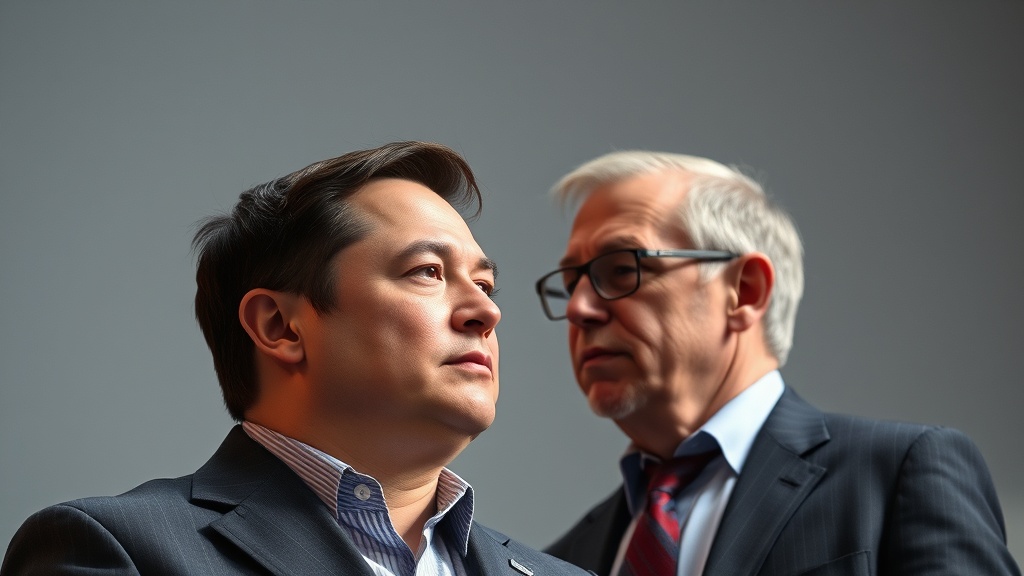
The Billionaire Feud Escalates
A public exchange between Elon Musk and OpenAI CEO Sam Altman has drawn renewed attention to the competitive dynamics between their respective firms. The latest conflict, played out on the social media platform X, was triggered by a lawsuit filed by Apple against OpenAI on July 10, which alleges the unauthorized use of proprietary hardware secrets.
Musk, a co-founder of OpenAI who later distanced himself from the organization, leveraged the news to criticize Altman’s leadership and business practices. In response, Altman targeted Musk’s own growth strategy, specifically questioning the viability of orbital data centers—a concept Musk has championed as a solution to the intense energy requirements of artificial intelligence.
Market Implications and IPO Strategies
Beyond the personal nature of the exchanges, the discourse highlights the distinct paths both companies are taking regarding public markets and shareholder relations. The tension follows notable developments for both entities:
- OpenAI’s IPO Path: In June, OpenAI confirmed it had filed draft paperwork for a potential initial public offering. While market reports have speculated on valuations exceeding $1 trillion, the company’s finance chief has indicated that the timeline for a listing may extend into 2026 or 2027.
- SpaceX’s Public Debut: SpaceX, now a publicly traded entity, completed its IPO on June 12. The offering was priced at $135 per share, resulting in a valuation of approximately $2 trillion at the close of its first full trading day.
Notably, the SpaceX IPO was characterized by a higher-than-average allocation for retail investors. While major listings typically reserve 5% to 10% for individual participants, SpaceX allocated approximately 20% of its shares to retail brokerages, including Fidelity, Charles Schwab, and Robinhood.
Analytical Perspectives on Growth
The public sparring has served as a backdrop for deeper scrutiny of these companies’ growth models. Analysts have expressed varying levels of confidence regarding the sustainability of these valuations. For instance, investment researcher CFRA initiated coverage of SpaceX with a “sell” rating, characterizing the company’s growth strategy as highly ambitious. Similarly, Morningstar has provided a more conservative valuation, suggesting that current market pricing may disconnect from fundamental metrics.
The conflict between Musk and Altman is not new. In May, a federal jury dismissed a lawsuit brought by Musk against OpenAI, which accused the company of moving away from its original nonprofit mission. The jury found that the legal challenge was brought too late, though Musk has indicated his intention to appeal the decision.
As both figures continue to command significant influence over major technology firms, investors remain focused on how these corporate strategies—and the public narratives surrounding them—impact long-term value and market stability.