



GoldenPeaks Poland Holding and 39 affiliated entities filed for Chapter 11 bankruptcy in the U.S. Bankruptcy Court for the Southern District of Texas on May 29, 2026. The filing reveals a rapid dissolution of the solar energy developer’s financial stability, leaving the company with approximately $952 million in debt against just €1.1 million in unencumbered cash.
Operational Collapse and Governance Failures
The insolvency appears to have been triggered by the collapse of Spectris Energy, a wholly owned subsidiary responsible for the engineering, construction, and daily operations of the company’s Polish solar portfolio. In January 2026, Spectris faced severe liquidity constraints, including frozen bank accounts and supply chain disruptions, following rising interest rates and unfavorable currency fluctuations. Because GoldenPeaks relied entirely on a web of affiliates to manage its business—lacking its own employees—the insolvency of its primary operator left the firm unable to manage its assets.
Subsequent assessments by restructuring firm Alvarez and Marsal highlighted deep-seated governance issues. According to court filings, the company operated without standalone financial statements for individual entities, lacked budget reporting, and suffered from fragmented financial controls and overlapping leadership mandates. This lack of transparency exacerbated the firm’s inability to secure necessary refinancing or equity raises throughout 2025 and early 2026.
Grid Constraints and Financial Strain
Beyond internal management issues, the company faced external pressures from Poland’s transmission system operator. Frequent restrictions on solar power injection into the grid prevented the company from realizing expected revenue, creating a persistent cash flow shortfall that rendered its debt structure unsustainable. Attempts to negotiate standstill agreements with senior lenders failed in late May 2026, forcing the Chapter 11 filing.
Brookfield’s Strategic Position
Brookfield Asset Management, already the controlling shareholder and a junior prepetition lender, has moved to consolidate its position during the restructuring. On June 3, 2026, Brookfield proposed a $162.8 million debtor-in-possession (DIP) loan to maintain operations. By July 9, 2026, a U.S. bankruptcy judge approved Brookfield to serve as the “stalking horse” bidder for the company’s assets, despite objections from other creditors who argued the arrangement overly favored the incumbent shareholder.
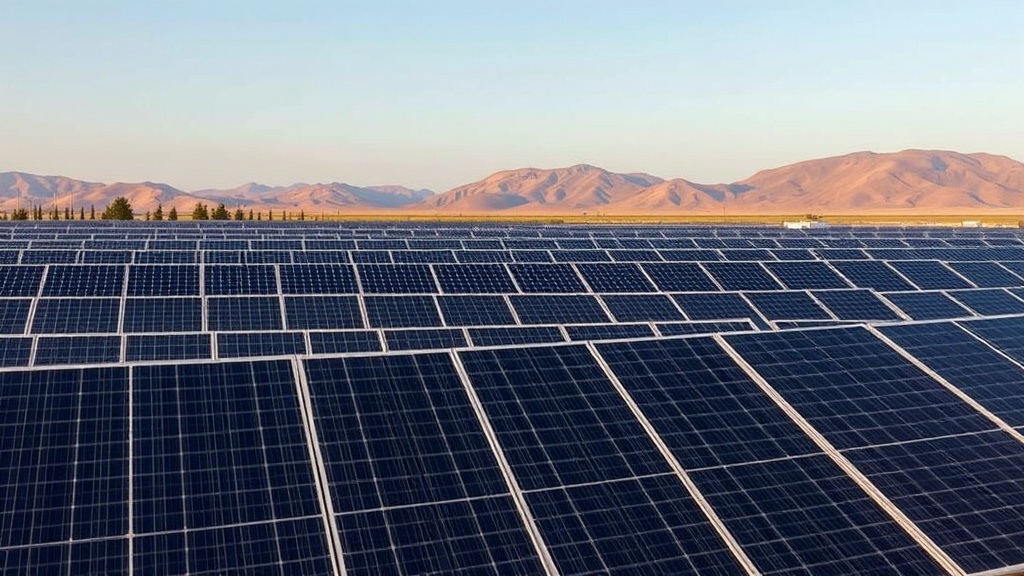
This position grants Brookfield significant leverage, as it can credit its existing debt against any final purchase price. The outcome of the bankruptcy process will determine the future ownership of the company’s 664-megawatt operational solar portfolio and an additional 592 megawatts currently under development. Existing power purchase agreements with major corporate entities, including Nestle, Cargill, Mars, Auchan, and Hankook Tire, remain in effect, highlighting the underlying value of the firm’s energy infrastructure despite its corporate-level collapse.