



Strategic Infrastructure Investments
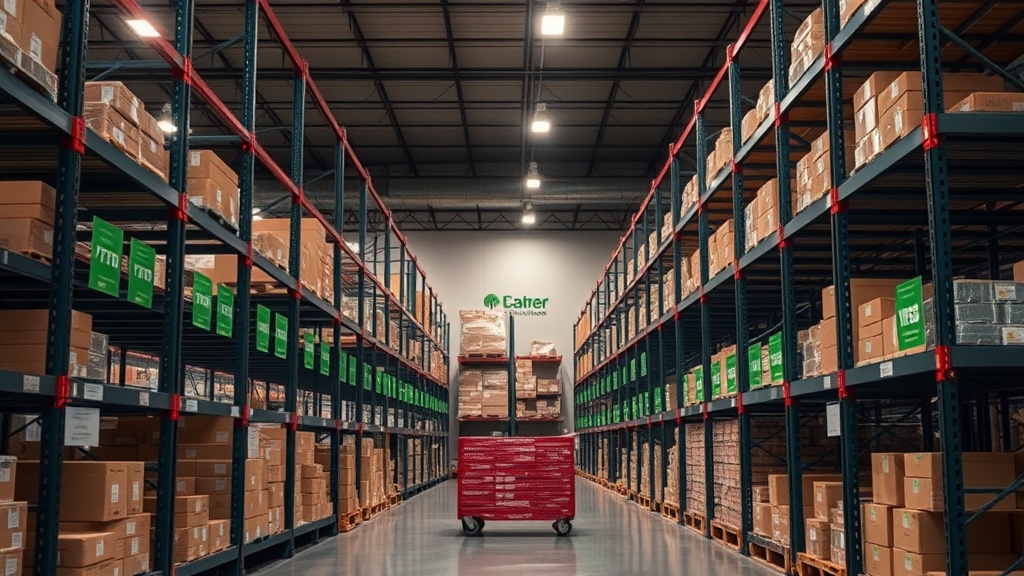
Dollar Tree is intensifying its efforts to stabilize store inventory levels through a significant expansion of its supply chain infrastructure. The retailer recently unveiled a 1 million-square-foot distribution center in Litchfield Park, Arizona, designed to serve more than 700 stores across the West and Southwest. This facility aims to reduce delivery lead times and provide the company with greater operational flexibility in the event of regional supply chain disruptions.
Company leadership characterized the new site as a critical component of a wider strategy to build a more scalable and responsive supply chain. According to Chief Supply Chain Officer Roxanne Weng, the facility is intended to accommodate current volume requirements while providing a foundation for future growth.
Technological Upgrades and Inventory Management
Beyond physical expansion, Dollar Tree is undergoing a comprehensive transition to replace legacy systems with modern technology. These upgrades are designed to provide management with enhanced visibility into inventory levels and product movement across its entire network. The company anticipates that these behind-the-scenes improvements will result in more consistent product availability, faster replenishment of popular items, and more timely delivery of seasonal merchandise.
CFO Stewart Glendinning emphasized the importance of these initiatives during the company’s first-quarter 2026 earnings call, noting that a focus on inventory management is essential for maintaining “fresher assortments for our customers, working capital efficiency and stronger free cash flow generation.”
Market Context and Consumer Pressure
The investment in logistics arrives at a period of continued economic pressure for consumers. With broad inflation rising 4.2% year over year and grocery prices increasing by 2.7%, budget-conscious shoppers are increasingly reliant on discount retailers for essential goods. For Dollar Tree, the ability to maintain consistent stock levels is a key competitive factor; repeated inventory gaps risk driving customers toward alternative retailers.
The company’s recent performance reflects the impact of these consumer trends, with comparable store sales rising 3.5% and the average ticket growing by 4.5% during its most recent operating quarter. Furthermore, the organization has been actively restructuring its business, including the divestiture of the Family Dollar banner, to allow management to dedicate its focus toward the core Dollar Tree brand.
By prioritizing operational execution, Dollar Tree aims to capture a larger share of the value-oriented retail market, banking on the premise that improved reliability in store assortments will foster greater customer loyalty in an inflationary environment.