

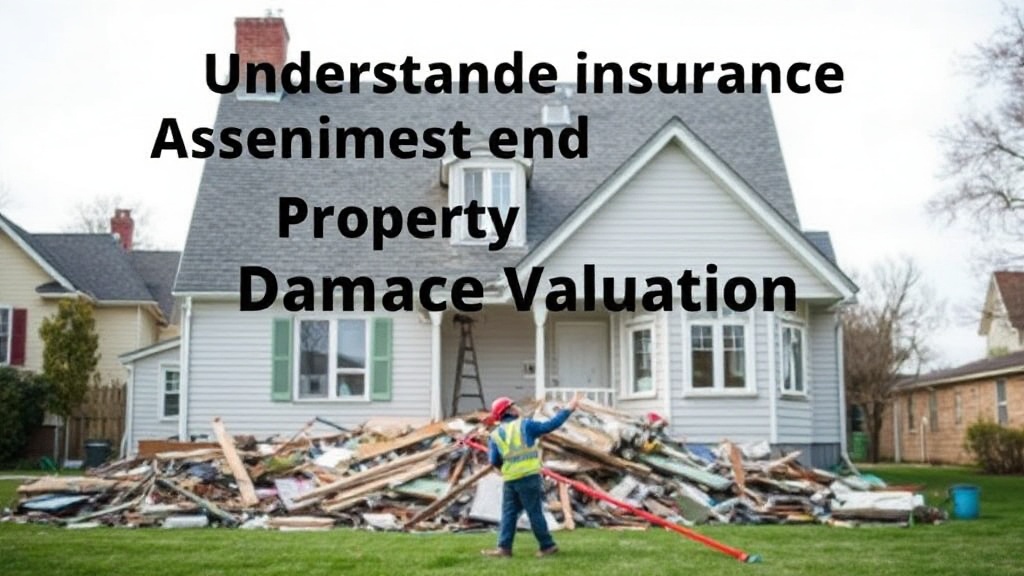
When property owners face significant discrepancies between initial damage assessments and subsequent findings from professional loss adjusters, the complexity of insurance claims becomes apparent. A common scenario involves a homeowner observing minor visible damage, such as a few missing roof tiles, only to have a comprehensive inspection reveal thousands of dollars in underlying structural or storm-related damage.
The Role of Professional Loss Adjustment
Insurance companies rely on loss adjusters to provide an objective evaluation of property damage. While a homeowner may focus on the visible exterior—such as loose or missing shingles—adjusters are trained to identify systemic damage that is not immediately apparent to the untrained eye. This can include:
- Underlying structural compromise: Damage to the roof decking or support beams caused by high-velocity wind pressure.
- Water intrusion: Seepage that occurs through compromised seals, potentially affecting insulation and interior ceiling materials.
- Collateral damage: Flashing, gutter systems, and ventilation units that may be damaged by debris impact during severe weather events.
The discrepancy between a cursory initial observation and a professional assessment often arises from the difference between surface-level aesthetics and structural integrity. High-wind events, which can cause a building to vibrate or shake violently, often exert forces that stress the building envelope in ways that do not always manifest as immediate, catastrophic failure.
Navigating the Claims Process
For policyholders, the gap between an initial assessment and a formal claim valuation serves as a reminder of the importance of thorough documentation. When severe weather events occur, the resulting damage is frequently cumulative. Adjusters utilize standardized industry metrics to calculate the cost of remediation, which encompasses not only the materials but also the labor costs associated with restoring a property to its pre-loss condition.
Understanding that insurance valuation is a technical process—rather than a subjective estimation—can help property owners manage expectations during the claims cycle. If a discrepancy exists, it is standard practice to review the adjuster’s report in detail to understand exactly which elements of the property have been flagged for repair or replacement. In cases of significant damage, such as the $10,000 threshold often cited in complex claims, this documentation ensures that the payout aligns with the actual scope of work required to secure the home.