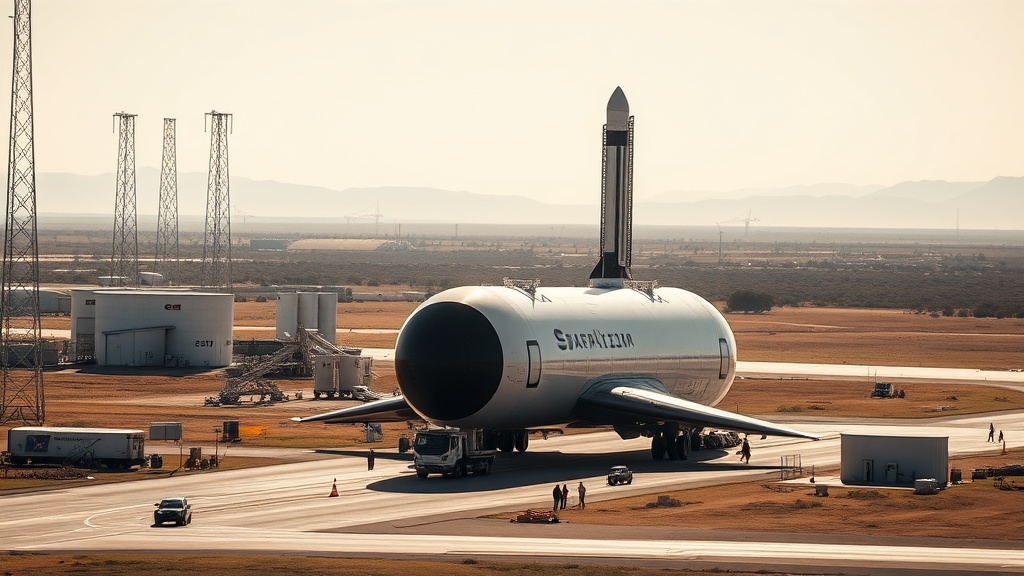





The composition of major market indices is undergoing a notable shift as SpaceX prepares to join the Nasdaq-100. This development arrives at a time when the Nasdaq-100 has already demonstrated a significantly higher degree of volatility compared to the S&P 500, a trend that market analysts expect may be further underscored by the inclusion of the space exploration giant.
Index Divergence and Volatility
Market participants often look to the Nasdaq-100 and the S&P 500 as barometers for different segments of the broader equity market. The Nasdaq-100, which is heavily weighted toward technology and high-growth firms, frequently exhibits wider price swings than the more diversified S&P 500. The addition of SpaceX, a company known for its unique market position and capital-intensive operations, is anticipated to reinforce this volatility spread.
According to reporting by MarketWatch, the structural differences between these two indices are expected to persist in the near term. While SpaceX is scheduled to become a constituent of the Nasdaq-100 this coming Tuesday, it is not slated for inclusion in the S&P 500 for at least another year. This lag creates a distinct performance profile for each index, as the S&P 500 continues to operate without the influence of the private space sector leader’s shares.
Implications for Index Tracking
The divergence in index composition is more than a technical detail; it influences how institutional portfolios and passive investment vehicles react to market fluctuations. For investors and analysts, the following factors remain central to monitoring these index shifts:
- Weighting Disparities: The Nasdaq-100’s concentration in tech and growth sectors is inherently more sensitive to interest rate fluctuations and sector-specific sentiment.
- Timing Gaps: The delay in S&P 500 inclusion means that large-cap index funds tracking the broader market will not yet capture the specific price action associated with SpaceX.
- Volatility Profiles: As SpaceX integrates into the Nasdaq-100, its high-beta characteristics could amplify the index’s existing sensitivity to growth stock trends.
As the market adjusts to these changes, the focus remains on how the index rebalancing will affect the relative performance of these two primary benchmarks. Analysts generally emphasize that while individual stock additions can drive short-term index shifts, the long-term volatility gap between the Nasdaq-100 and the S&P 500 is fundamentally driven by their respective sector exposures and selection criteria.