




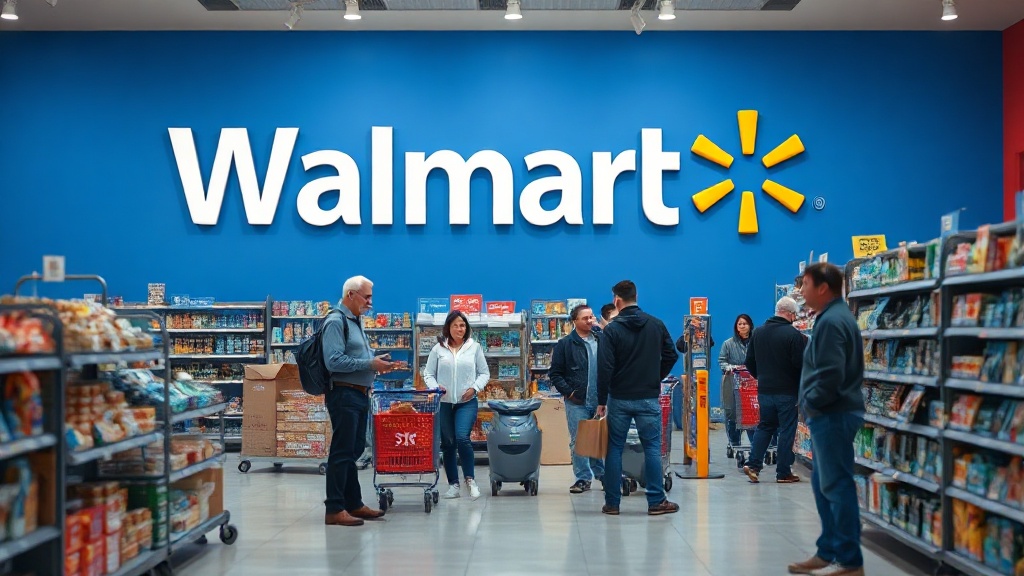
The Evolution of Retail Revenue Models
For decades, the retail sector operated on a straightforward margin-based model: purchasing merchandise at wholesale prices and selling it at a markup to cover overhead and generate profit. However, industry dynamics are shifting as major retailers increasingly look beyond traditional product sales to bolster their bottom lines. Walmart, the world’s largest retailer, has emerged as a leader in this transition, quietly scaling an advertising business that now generates $6 billion in annual revenue.
This diversification strategy mirrors trends seen at warehouse clubs like Costco, where membership fees and non-merchandise revenue streams account for a significant portion of operating income. By leveraging its massive trove of consumer data and physical footprint, Walmart is transforming its stores and digital interfaces into high-value media platforms.
Strategic Expansion into Connected TV
A cornerstone of Walmart’s recent media strategy is its acquisition of television manufacturer Vizio, a move that provides the retailer with a direct gateway into the living rooms of millions of consumers. According to Seth Dallaire, Walmart’s Chief Growth Officer, the television hardware business is no longer solely about the initial sale of the device; the true value lies in the “post-sale” environment provided by the technology and operating systems behind the screen.
“The television business is no longer the domain of the sort of buy it for wholesale, sell it for retail, and keep the margin,” Dallaire noted during the Sixth Annual Evercore Retail and Consumer Conference. By controlling the interface, Walmart gains access to connected TV (CTV) advertising opportunities that complement its existing digital e-commerce and in-store advertising channels.
Performance Data and Market Impact
The financial impact of these efforts is becoming increasingly pronounced in Walmart’s quarterly reporting. During the company’s first-quarter earnings call, CEO John Furner highlighted that advertising and membership fee revenue streams now represent approximately one-third of the company’s total operating income. Specifically, the global advertising business grew by 37% during the quarter, with the Walmart U.S. segment seeing a 36% increase.
Industry analysts suggest this shift represents a fundamental change in how retail environments are viewed. Andrew Lipsman, a retail analyst, describes the physical store not just as a sales channel, but as a “high-quality media environment” that offers marketers contextual relevance and proximity to the point of purchase. As retailers like Walmart and Amazon integrate performance data with advertising, they are providing brands with consumer insights that were previously unavailable.
The Future of Retail Media
The rise of retail media networks allows companies to monetize their “owned audience”—both in-store and online—by enabling supplemental brands to target specific consumer segments. Dominick Miserandino, CEO of RTMNexus, notes that this creates a symbiotic relationship: retailers gain new, high-margin revenue streams, which management argues helps keep prices lower for the end consumer. As the sector evolves, the ability to translate data into actionable advertising performance is expected to remain a critical component of Walmart’s long-term financial strategy.