


New Economic Measures Targeting Russian Revenue
British Prime Minister Keir Starmer has announced a fresh wave of sanctions targeting Russia’s financial networks and energy infrastructure during the G7 summit in Évian-les-Bains, France. The measures are designed to further curtail Moscow’s ability to fund its military operations by choking off key revenue streams.
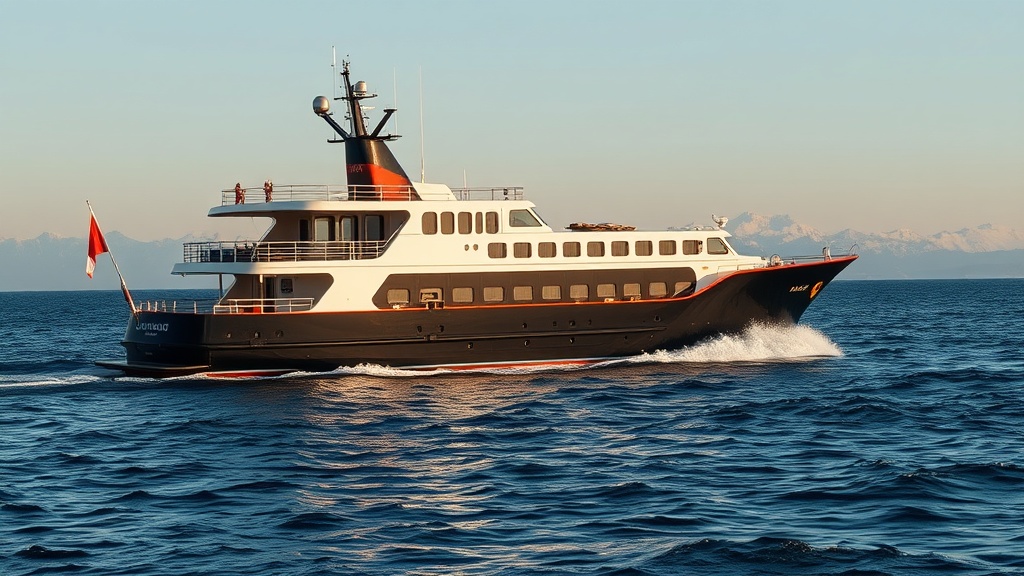
The new sanctions package specifically targets Russia’s “shadow fleet” of vessels, which are utilized to transport oil and liquefied natural gas (LNG) globally. Officials stated that the scope of these measures will expand to include more than 600 vessels. Furthermore, the UK government is targeting state-linked networks involved in the covert procurement of Western technology for the Russian military, as well as suppliers facilitating the illegal movement of capital across international borders.
Energy Support for Ukraine
In addition to the punitive measures against Moscow, Prime Minister Starmer pledged £210 million to support Ukraine’s nuclear energy sector over the next two years. The funding is intended to bolster energy security following sustained Russian attacks on Ukrainian power infrastructure.
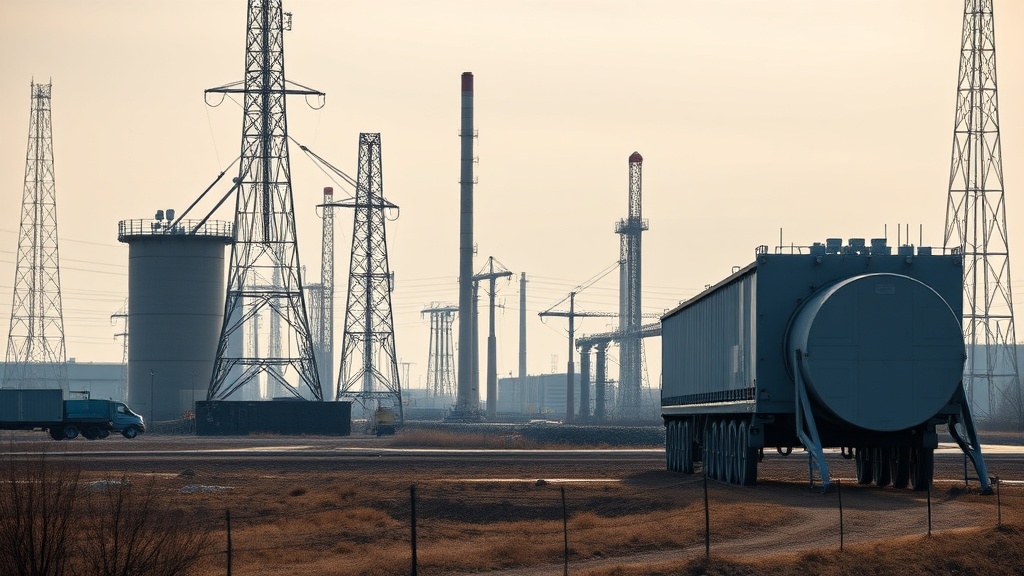
A key component of this initiative involves a partnership between the UK government and Urenco, a multinational uranium enrichment company in which the UK holds a 33% stake. The agreement will see Urenco supply enriched uranium to Energoatom, Ukraine’s state-owned nuclear power producer. According to government officials, this deal supports UK industrial capacity, with a significant portion of the uranium content processed at Urenco’s plant in Chester.
International Context and Defense Policy
The G7 summit serves as a platform for Western leaders to coordinate their strategy regarding Ukraine. While the UK focuses on strengthening Kyiv’s energy resilience, Starmer is also navigating domestic and international pressures, including the upcoming publication of a defense investment plan ahead of the Nato summit in Ankara, scheduled for 7 July.
The commitment to “stand with Ukraine for as long as it takes” remains the central pillar of the UK’s current geopolitical policy. The ongoing sanctions efforts are part of a broader, multi-nation strategy to apply continuous economic pressure on the Russian economy while attempting to stabilize energy supplies in Eastern Europe.
As discussions continue in France, the G7 leaders are expected to address a wide range of global issues, including the potential for diplomatic progress between the U.S. and Iran, and the security of critical trade routes such as the Strait of Hormuz.