


Trade Policy Shift Targets Global Partners
The U.S. administration has signaled a potential expansion of its protectionist trade agenda, threatening to impose new tariffs ranging from 10% to 12.5% on 60 countries. This latest policy development, framed by the White House as a measure to address the importation of goods produced under forced labor conditions, targets major trading partners including the United Kingdom, the European Union, Canada, Japan, and Australia.
The proposal follows a series of legal challenges regarding U.S. trade authority. Earlier this year, the U.S. Supreme Court ruled against the administration’s previous “liberation day” tariffs, and a subsequent 10% across-the-board tariff measure is currently subject to ongoing legal appeals. Analysts suggest this new initiative, rooted in Section 301 of the Trade Act of 1974, serves as a strategic maneuver to circumvent prior court-imposed constraints on executive trade power.
Impact and International Reaction
According to reports detailing the investigation into international labor enforcement, the proposed levies are tiered based on specific assessments of each nation’s current regulatory environment. Countries slated for a 10% tariff include the EU, the UK, Canada, Mexico, and Taiwan. Nations facing the higher 12.5% threshold include China, Japan, India, South Korea, Brazil, and Switzerland.
The European Commission has expressed formal opposition to the move, stating that while it shares the U.S. stated objective of eliminating forced labor, it views the proposed tariffs as unjustified. The Commission emphasized that the U.S. should honor the terms of the trade agreement established in July of last year, which set a 15% tariff structure on most goods. EU officials argued that these new “stealth tariffs” effectively breach the spirit of that existing commitment.
Economic Context and Enforcement
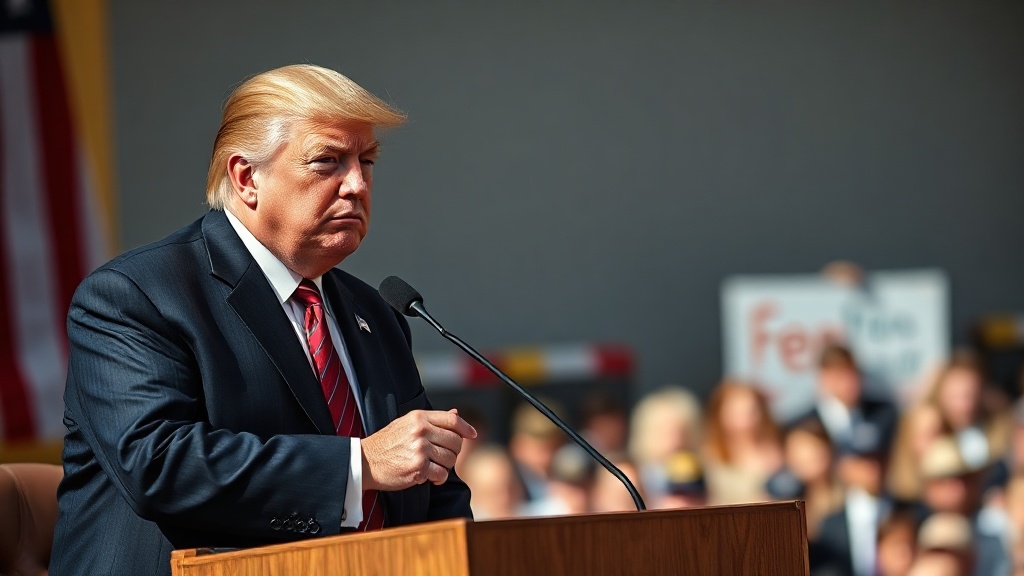
U.S. Trade Representative Jamieson Greer stated that the administration deems current international efforts to curb forced labor imports insufficient, arguing that the status quo creates an “unlevel playing field” for American workers. The administration’s report noted that while several nations have implemented bans, the effectiveness of enforcement remains a point of contention. For example, while the EU has a broad ban on forced-labor imports, its full implementation is not scheduled until December 2027.
The proposed tariffs are not immediate. They remain subject to a period of public comment and regulatory review. For international markets, the announcement introduces a new layer of uncertainty, particularly for nations that have recently engaged in diplomatic efforts to stabilize trade relations and manage costs associated with the current U.S. administration’s unpredictable tariff policy.
Key Figures in Current Tariff Proposals
- 10% Levy Tier: Includes the EU, the UK, Canada, Mexico, and Taiwan.
- 12.5% Levy Tier: Includes China, Japan, India, South Korea, Brazil, and Switzerland.
- Legal Basis: Section 301 of the Trade Act of 1974.
- Status: Under review; subject to public comment.