




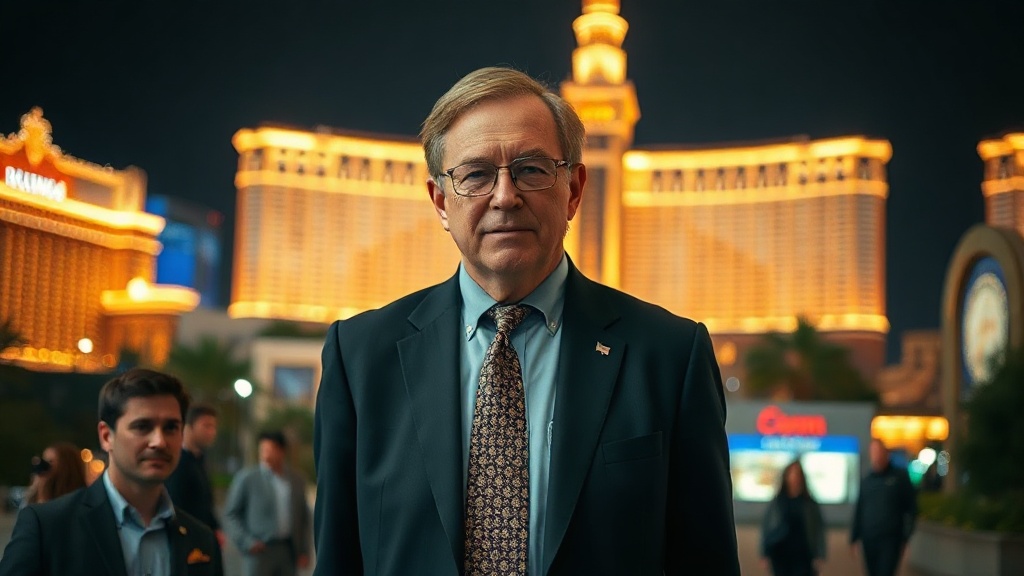
A Bold Move for the Future of Las Vegas
The landscape of the gaming and entertainment industry is shifting, highlighted by Barry Diller’s significant $12.4 billion offer for MGM Resorts International. This massive acquisition attempt serves as a powerful indicator that major investors are betting heavily on the long-term resurgence of Las Vegas as a global tourism and gaming hub.
Overcoming Recent Headwinds
Las Vegas has faced a challenging period marked by inconsistent tourism recovery and increased market pressure. The city has had to navigate several hurdles, including:
- Uneven Tourism Trends: Fluctuating visitor numbers have impacted the hospitality sector’s ability to maintain pre-pandemic growth trajectories.
- Sports-Betting Competition: The rapid legalization and expansion of sports betting across various U.S. states have created a decentralized marketplace, challenging the traditional dominance of the Vegas-based casino model.
Why Investors Are Bullish on Sin City
Despite these obstacles, financial analysts suggest that the outlook for Sin City is brightening. The move by Diller underscores a belief that the foundational appeal of Las Vegas—combining high-end entertainment, convention services, and world-class gaming—remains resilient. By pursuing a major player like MGM, institutional investors are signaling that they view the current market conditions as a turning point rather than a permanent decline.
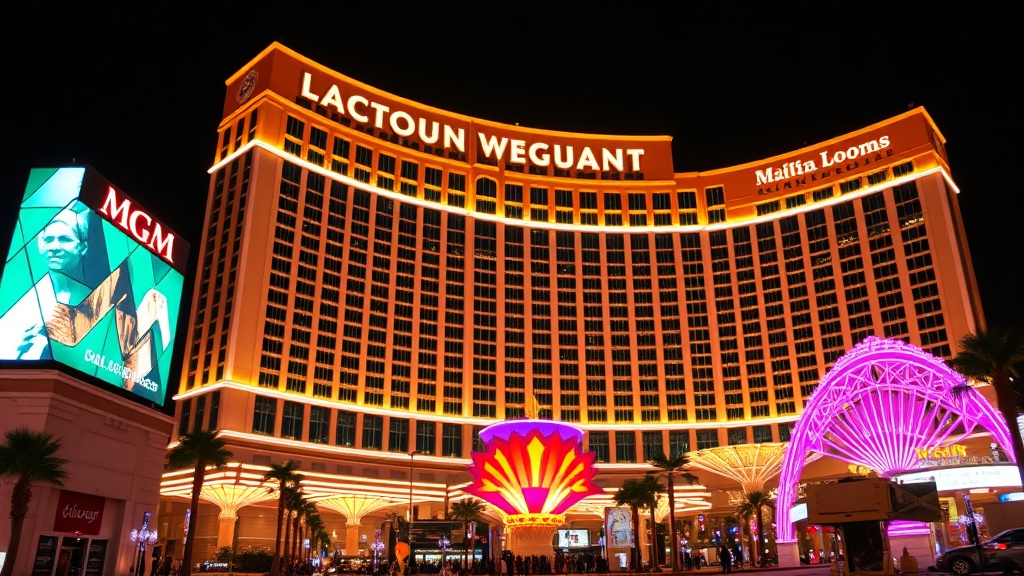
The interest from industry titans suggests that the unique experiential value offered by Las Vegas cannot be easily replicated by digital-first betting platforms or regional gaming centers.
As the sector moves forward, the focus will likely remain on how traditional operators integrate modern digital strategies with their brick-and-mortar assets. With major capital pouring into the region, observers expect a renewed cycle of investment in property upgrades and entertainment experiences designed to draw tourists back to the Strip in record numbers.