


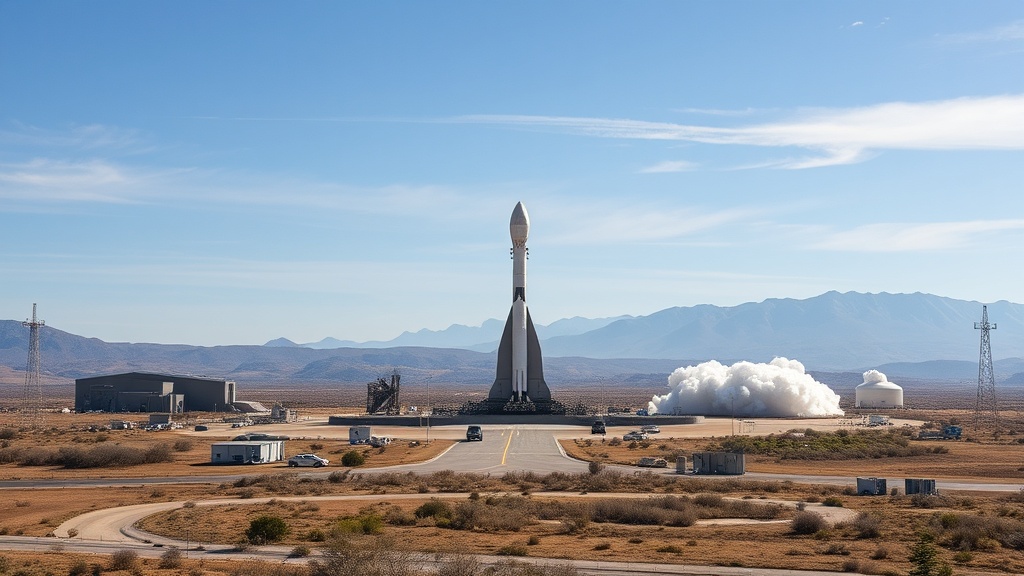


The Impending Arrival of SpaceX in Major Indexes
The landscape for index fund investors is set for a significant shift. With SpaceX preparing for an initial public offering (IPO) projected to value the company at approximately $1.75 trillion, it stands to become one of the largest IPOs in history. For the millions of Americans who rely on S&P 500 and Nasdaq index funds for their retirement and savings, this event is not just a market headline—it is a change that will soon be reflected in their portfolio holdings.
Understanding the Path to Inclusion
Historically, newly public companies faced a lengthy “seasoning period” before being considered for inclusion in major indexes. This often resulted in index fund investors missing out on the initial growth phases of massive companies, such as Tesla, which was not added to the S&P 500 until December 2020 despite a market capitalization exceeding $300 billion at the time.
However, major index providers have updated their rules to facilitate faster inclusion for large-cap companies. The Nasdaq’s new Fast Entry pathway allows newly public companies to qualify for the Nasdaq-100 as early as their seventh trading day, provided their market capitalization ranks within the top 40 constituents.
How Weighting Will Work
To mitigate market volatility and prevent drastic index shifts, new companies are often added based on their float-based market cap rather than their total valuation. For SpaceX, the initial float is expected to be relatively small, as the company plans to raise $75 billion—roughly 4.3% of its projected $1.75 trillion valuation. This approach keeps the initial index impact significant but controlled, placing SpaceX roughly on par with companies like Netflix or Qualcomm in terms of index weighting.

A Multi-Month Transition
Investors should view the integration of SpaceX into these indexes as a multi-month process rather than an overnight shift. The company’s influence within the indexes is expected to grow as its float increases, particularly because insiders may be permitted to sell shares well ahead of the traditional 180-day lockup period. As more shares become available to the public, SpaceX will likely command a larger share of major index funds.
The potential inclusion of other major entities, such as OpenAI and Anthropic, alongside SpaceX, signals a broader trend of index concentration. Long-term investors may want to monitor these developments closely to understand how these additions affect the overall composition and risk profile of their passive investments.
For those concerned about forced buying pressure or increased index concentration, some market experts suggest looking toward exchange-traded funds (ETFs) that offer more flexible rules for asset allocation, allowing for better management of portfolio exposure as these massive new companies enter the public markets.