



The Current State of the U.S. Strategic Petroleum Reserve
In recent months, observers have noted that stocks in the United States Strategic Petroleum Reserve (SPR) have reached their lowest levels in more than four decades. This significant drawdown has sparked public discussion and concern regarding the nation’s energy security. However, energy analysts suggest that the context behind these figures is more nuanced than a simple depletion of emergency resources.
What is the Strategic Petroleum Reserve?
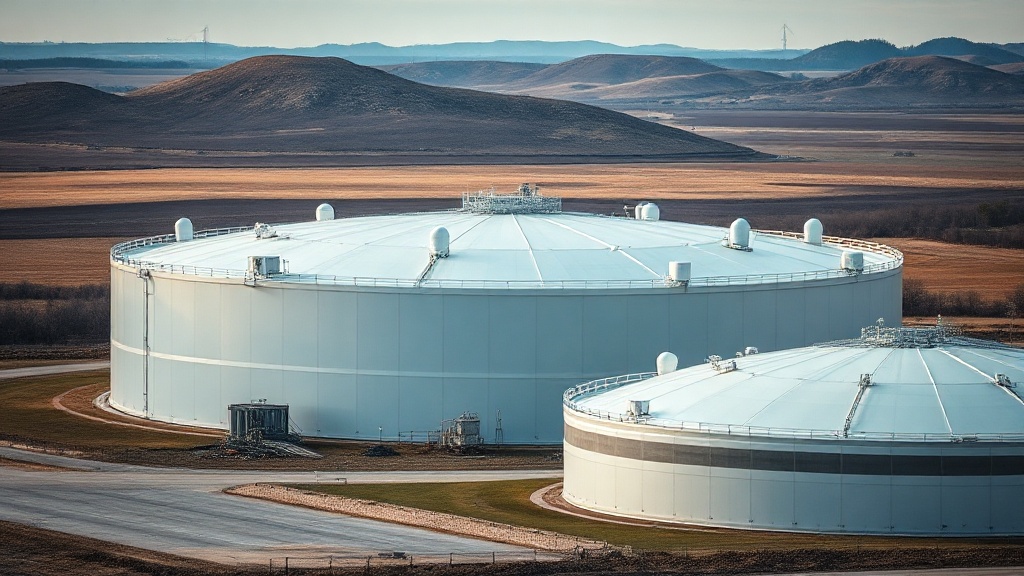
The Strategic Petroleum Reserve was established as a massive stockpile of emergency crude oil, stored in underground salt caverns along the Gulf Coast of Texas and Louisiana. Its primary purpose is to serve as a buffer against significant supply disruptions in the global oil market, protecting the U.S. economy from extreme volatility.
Why Did Reserves Drop to 40-Year Lows?
The recent decline in SPR levels is not accidental; it is the result of deliberate policy decisions. During periods of high energy prices and supply chain instability, the federal government authorized the release of millions of barrels of oil into the market. The goal was to:
- Help stabilize domestic fuel prices for American consumers.
- Address supply shortages caused by geopolitical events.
- Mitigate the impact of fluctuating energy costs on the broader economy.
Should Americans Be Concerned?
While the reduction in storage levels is historic, experts emphasize that the U.S. remains one of the world’s largest oil producers. The current volume of oil held in the reserve is still considered substantial enough to fulfill its mission as an emergency backstop. Furthermore, the market’s ability to adjust to supply shifts has evolved significantly since the reserve was first created in the 1970s.
The strategic reserve was always designed as a tool for extreme emergencies. Even at current levels, the infrastructure remains fully capable of serving its fundamental purpose of market stabilization.
Ultimately, the drawdown reflects a strategic use of government resources to manage short-term economic pressures. As the global energy landscape continues to shift toward a mix of traditional and renewable sources, the role of the SPR remains a vital, albeit evolving, component of American energy policy.