



A Historic Swearing-In Ceremony
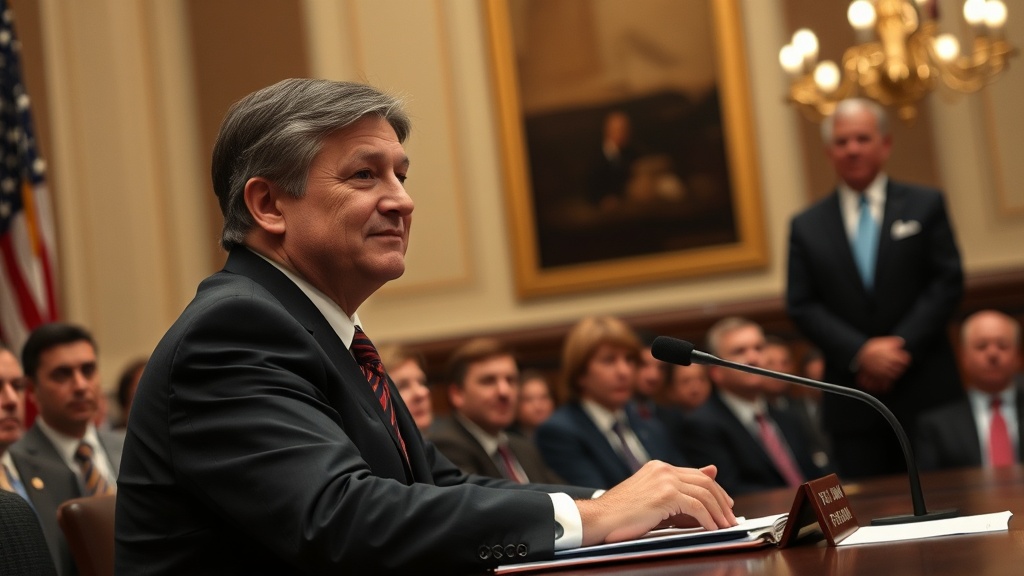
Kevin Warsh has officially taken the oath of office as the new Chair of the Federal Reserve. The ceremony, held at the White House on Friday, marked a rare event; it is only the second time in nearly 40 years that a Fed Chair has been sworn in at the executive mansion. The last instance occurred in 1987 when President Ronald Reagan hosted Alan Greenspan, a historical parallel the current administration has sought to mirror.
However, the optics of the event contrast sharply with the political reality of Warsh’s confirmation. He enters the role with the lowest number of Senate votes in the history of the Federal Reserve. This historically narrow margin of support was largely driven by bipartisan concerns regarding his potential independence and whether he would act as a loyalist to the White House’s desire for immediate interest rate cuts.
The Economic Reality Versus Political Pressure
Despite concerns over his political alignment, analysts suggest that the current macroeconomic environment provides Warsh with a clear mandate to maintain a hawkish stance. As of March 2026, headline PCE inflation reached 3.5% year-over-year, while energy inflation saw a significant spike of 11.56% month-over-month. Much of this volatility is linked to the ongoing conflict in Iran, which S&P Global reports is exerting increasing pressure on both growth and price stability.
Because the current data does not support an easing of monetary policy, Warsh is shielded from immediate political pressure. By holding rates steady, he aligns his policy with the existing FOMC committee’s hawkish consensus and the prevailing economic data, effectively shifting the burden of his decisions away from presidential influence and toward objective inflation metrics.
Key Economic Indicators
- Inflation: Core PCE accelerated to 3.2%, with headline PCE rising to 3.5% in March 2026.
- Energy Costs: Energy inflation recorded a 14.43% year-over-year increase, exacerbated by geopolitical instability.
- CPI Trends: The Consumer Price Index has seen a consistent upward trend, rising from 325.252 in January 2026 to 333.020 in April.
The Role of the Bond Market
Beyond the inflation data, the bond market is sending a strong signal that limits the Fed’s room to maneuver. Warsh inherits the highest ten-year Treasury yield seen at the start of a Fed tenure since 1987. As of May 21, 2026, the 10-year Treasury yield sits at 4.56%.
“The bond market is the loudest voice in the room. A long end behaving like this is the bond market’s way of saying that cuts at the front would be answered with selling at the back,” noted market observers.
This dynamic creates a tightening of financial conditions that complicates the White House’s goals. For investors, the takeaway is that the policy floor under interest rates remains firm. Sectors highly sensitive to rate fluctuations—such as regional banks, REITs, and small-cap companies relying on floating-rate debt—will likely continue to face a challenging environment as the market, rather than the Fed Chair, currently dictates the terms of the interest rate curve.