



Overview of the Delayed AI Executive Order
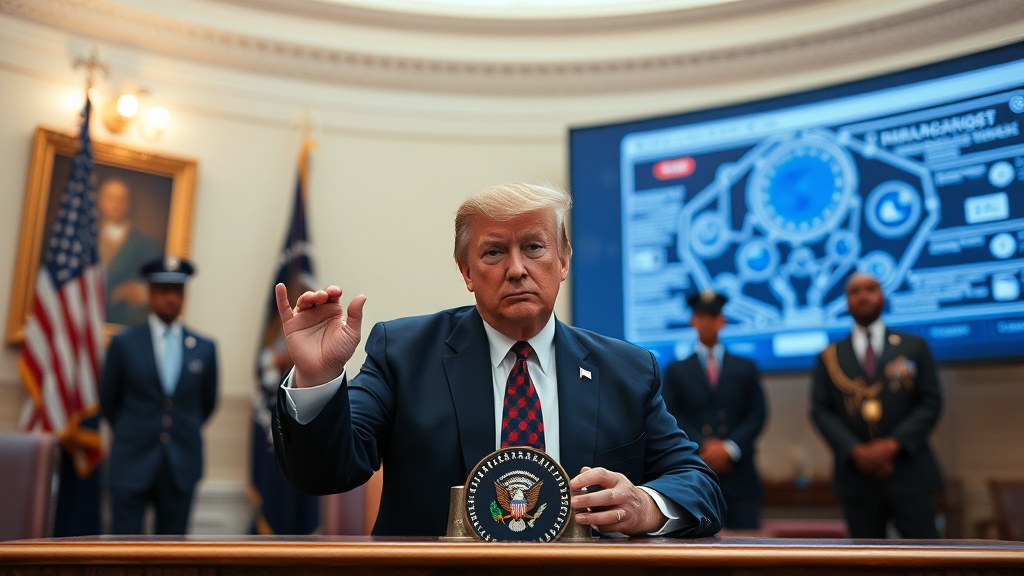
President Donald Trump has officially postponed the signing of a highly anticipated executive order focused on artificial intelligence. The delay was confirmed on Thursday, as the President signaled that the draft document did not fully align with his objectives, prompting a reevaluation of its contents.
Why the Order Was Held Back
While the administration had been working on a framework to govern the rapidly evolving AI sector, President Trump stated clearly that he chose to halt the signing process because he “didn’t like certain aspects of it.” This decision highlights the complexities involved in drafting federal policy for emerging technologies.
Key Features of the Proposed Framework
Prior to the delay, reports indicated that the executive order was designed to emphasize voluntary participation from private technology companies. This approach was intended to foster innovation while maintaining a collaborative relationship between government regulators and the private sector, rather than imposing rigid, mandatory compliance standards immediately.
- Focus on Cooperation: The strategy aimed to encourage firms to adopt ethical and safety guidelines voluntarily.
- Strategic Revisions: The current delay suggests that the administration may be looking to refine how it approaches oversight for the AI industry.
- Future Outlook: It remains uncertain what specific changes will be made to the document or when a new signing ceremony might be scheduled.
The decision to hold off on the executive order underscores the delicate balance the administration is attempting to strike between promoting American leadership in artificial intelligence and ensuring that the technology is developed in a way that meets federal standards. As the situation develops, stakeholders in the tech industry remain in a holding pattern, waiting to see how the administration will adjust its regulatory roadmap for AI development.