


Gold Prices Show Resilience Amid Market Uncertainty
As global financial markets navigate a complex landscape marked by rising government bond yields and geopolitical tensions, gold prices have held relatively steady. Investors are closely monitoring several key factors, including the impact of surging bond yields, a strengthening U.S. dollar, and ongoing hopes for a diplomatic resolution to the Iran conflict.
Current Gold Price Movements
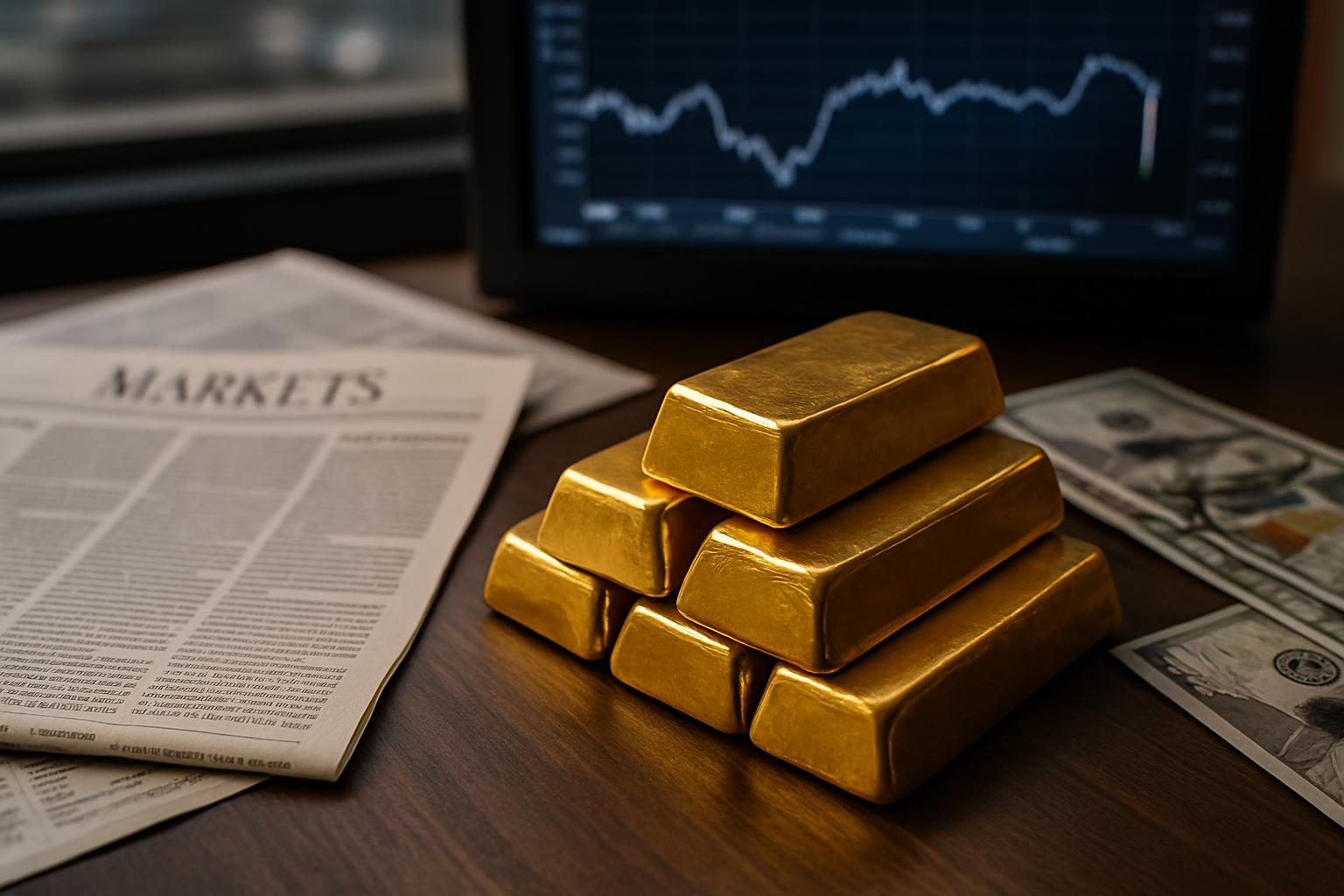
On Wednesday, spot gold traded broadly flat at approximately $4,480.57 per ounce. Meanwhile, gold futures experienced a slight decline of about 1.6%, settling at around $4,482.80 per ounce. These movements reflect a market in which investors are balancing conflicting signals.
Factors Influencing Gold Markets
Rising Bond Yields and a Stronger Dollar
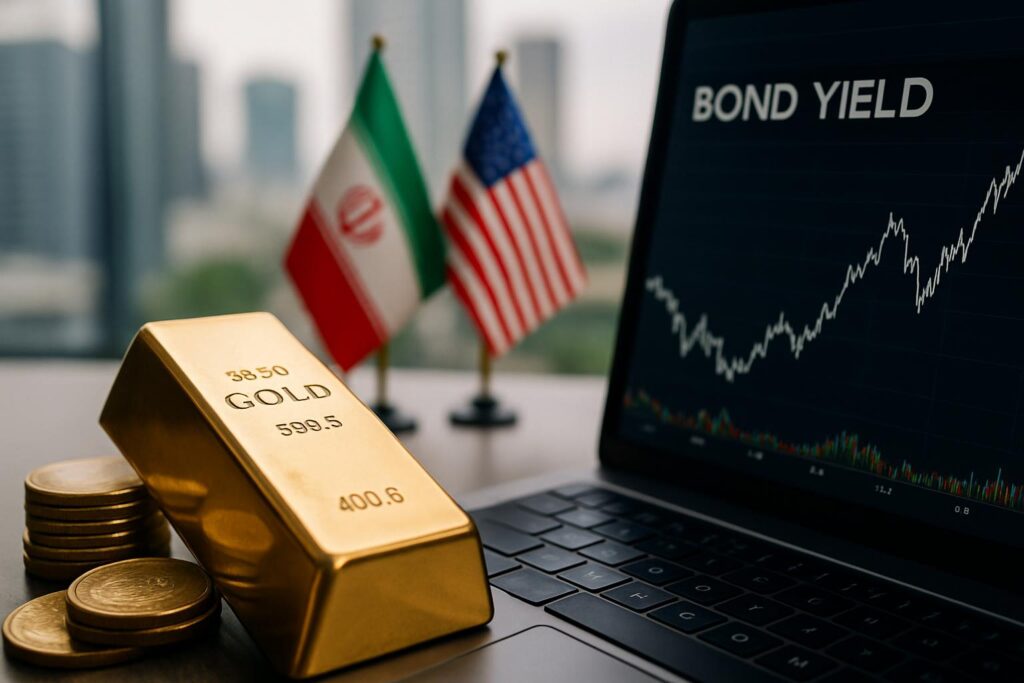
One of the primary pressures on gold has been the rise in government bond yields, notably the yield on the 30-year U.S. Treasury bond. This yield has climbed to levels unseen since the global financial crisis nearly two decades ago, signaling increased investor confidence in the economic outlook but also raising borrowing costs.
Higher bond yields tend to make non-yielding assets like gold less attractive, leading to downward pressure on prices. Simultaneously, the U.S. dollar has strengthened, trading near its six-week high. A stronger dollar makes gold more expensive for buyers using other currencies, further dampening demand.
Market Expectations and Federal Reserve Policy
Investors are also awaiting additional clues on the future direction of Federal Reserve monetary policy. The release of minutes from the Fed’s April meeting is highly anticipated, as traders seek insights into potential interest rate adjustments that could influence gold’s appeal.
Geopolitical Developments and Energy Markets
Despite ongoing geopolitical tensions, there is a sense of cautious optimism surrounding the Iran conflict. U.S. officials have indicated the possibility of reaching a diplomatic agreement that could de-escalate tensions. President Donald Trump recently mentioned that the Iran war could end “very quickly,” and reports suggest Iran may be open to negotiations.
In the energy markets, the situation in the Strait of Hormuz remains critical. Recent data shows Chinese-flagged supertankers and other vessels departing the strategic waterway, which has been largely closed to tanker traffic since late February due to the U.S.-Israeli conflict with Iran. Oil prices have softened slightly as traders grow more hopeful that energy flows could gradually normalize, although Brent crude futures remain elevated compared to pre-conflict levels.
Market Outlook
Analysts warn that the geopolitical and economic uncertainties continue to influence gold prices. The combination of rising bond yields, a strong dollar, and geopolitical hopes creates a complex environment for gold investors. While gold remains a traditional safe-haven asset, its price movements are now closely tied to macroeconomic indicators and diplomatic developments.
Conclusion
As markets continue to assess the evolving geopolitical landscape and economic signals, gold prices are expected to remain volatile yet resilient. Investors should stay attentive to bond market trends, U.S. monetary policy cues, and developments in Middle Eastern diplomacy to better understand potential future movements in gold prices.