

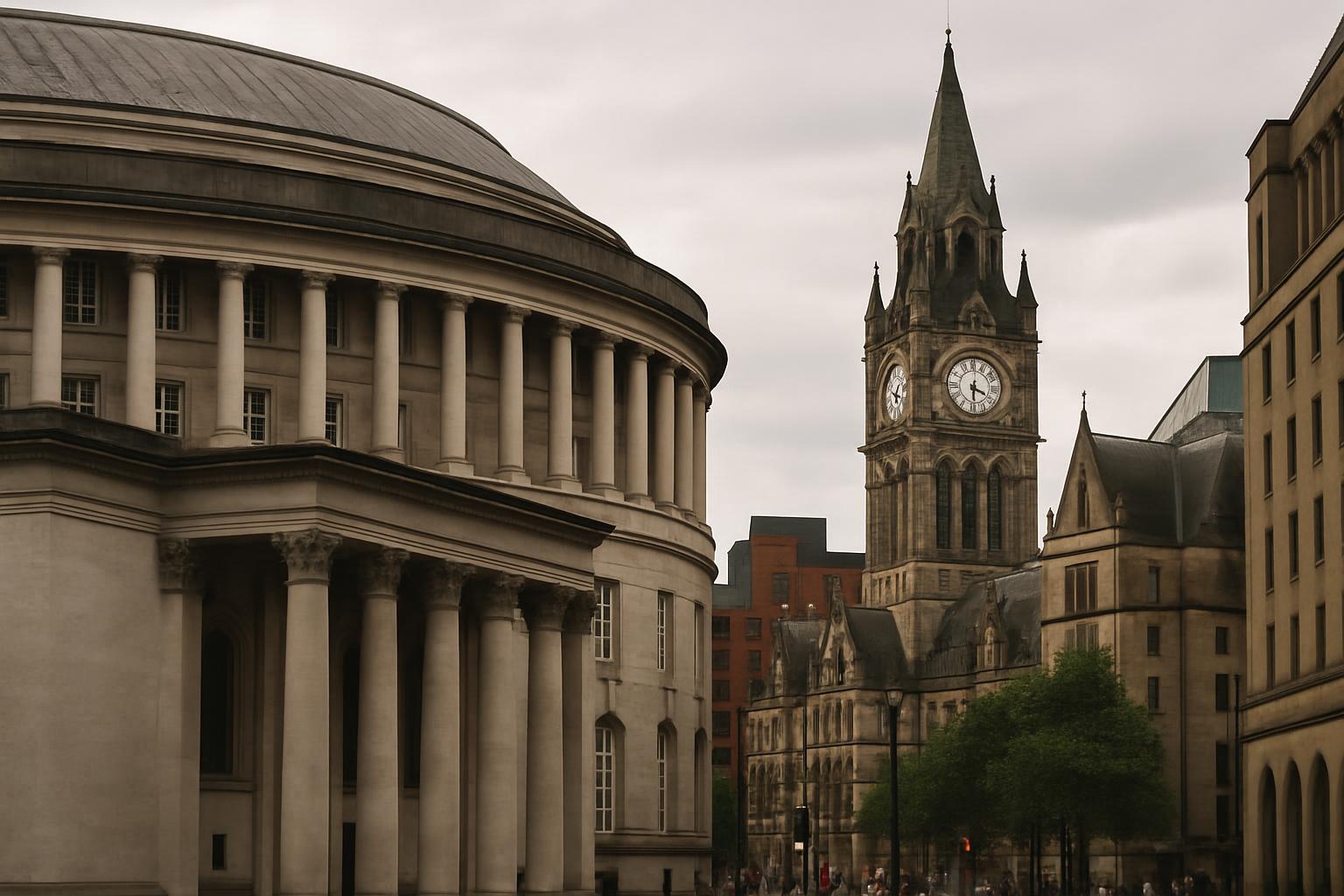
Introduction: The Rise of Manchesterism as a Political Concept
In recent months, the term Manchesterism has gained prominence as a bold political idea aimed at redefining Britain’s economic and social policies. Spearheaded by Andy Burnham, the Mayor of Greater Manchester, this concept positions itself as the end of neoliberalism and advocates for a significant shift toward public control and reform of essential services.
Understanding Manchesterism in the 21st Century
Unlike its 19th-century namesake, which was associated with free trade, modern Manchesterism emphasizes public ownership, devolution, and a stronger partnership between government and business. Burnham envisions implementing these principles nationwide, expanding the reach of public control over key assets such as transportation and utilities, and fostering a more equitable distribution of wealth.
Key Policy Proposals
- Public control of essential services: This includes bringing sectors like energy and water into government or community ownership, inspired by models like Berlin’s municipal water system.
- Expanding devolution: Greater powers and resources transferred from Westminster to local governments to tailor policies to community needs.
- Reforming the relationship between state and business: Promoting a more equitable sharing of economic growth, with an emphasis on reinvesting proceeds back into local communities.
Challenges in Turning Manchesterism into Policy
While Burnham’s vision is ambitious, translating it into practical government policy faces significant hurdles:
- Fiscal constraints: Burnham has committed to adhering to fiscal rules similar to those of Rachel Reeves, implying any expansion in public spending must be offset by tax increases or cuts elsewhere.
- Market stability concerns: Investors and bond markets remain wary of large-scale reforms, fearing increased borrowing costs and economic instability.
- Political opposition and electoral realities: The upcoming Makerfield byelection and potential national ambitions require navigating complex political terrains, balancing bold reforms with pragmatic fiscal management.
The Roots and Influences Behind Manchesterism
Burnham’s ideas draw from a diverse array of influences, including civic leaders like Howard Bernstein, whose management of Manchester exemplifies effective local governance. Thinktank Compass and economist Alex Williams have contributed radical ideas about state ownership and economic restructuring, advocating for a productive state that directly owns and operates essential sectors rather than relying solely on regulation.
Potential Policy Initiatives and Next Steps
One immediate test of Burnham’s approach could be the future of Thames Water. Discussions about whether the government should take direct control or facilitate a public takeover reflect broader debates about how to implement Manchesterism’s principles nationally.
Furthermore, there is growing support among left-leaning groups for public ownership models inspired by Berlin, where worker representation and municipal control ensure accountability and community benefit.
Political and Economic Considerations
Implementing Manchesterism at the national level requires careful balancing of bold policy ambitions with macroeconomic stability. Burnham’s commitment to fiscal discipline, including adherence to existing rules, aims to reassure investors while pursuing transformative reforms.
As Burnham prepares for upcoming elections, including the crucial Makerfield byelection, his team faces intense scrutiny on how these policies can be realistically enacted without destabilizing financial markets or alienating key political constituencies.
Conclusion: A Vision for the Future?
Andy Burnham’s Manchesterism presents a radical vision for a post-neoliberal Britain—focused on public ownership, devolution, and economic fairness. While challenges remain in translating this vision into practical government policy, its success could signal a significant shift in the country’s political and economic landscape, potentially serving as a blueprint for a new kind of governance rooted in community control and social justice.