





UK Labour Market Shows Signs of Strain as Unemployment Increases and Wages Growth Slows
The latest official figures reveal a notable slowdown in wage growth and an unexpected rise in unemployment in the United Kingdom, reflecting the broader economic impact of ongoing geopolitical tensions, particularly the Iran war.
Unemployment Rate Edges Up to 5%
According to the Office for National Statistics (ONS), the UK unemployment rate increased to 5% in the three months leading up to March, up from 4.9% in the previous period. This marks the first rise in unemployment since late 2022 and signals potential difficulties within the labour market amidst global upheaval.
Sharp Decline in Employment and Job Vacancies
In addition to the rising unemployment rate, recent PAYE data from HMRC show a significant decrease in payrolled jobs, falling by 100,000 in April alone. This drop is the largest monthly decline since records began in 2014, excluding pandemic-related disruptions, and suggests a cooling demand for labour.
Furthermore, job vacancies have diminished to their lowest level in five years, decreasing by 28,000 to a total of 705,000 for the period from February to April. Experts interpret this decline as a sign of deteriorating business confidence and a possible contraction in economic activity.
Wage Growth Loses Momentum
Alongside rising unemployment, wage growth has also slowed. Official data indicate that real wages are approaching a potential contraction phase, which could mean a decline for the fourth time since the 2008 financial crisis. This trend raises concerns about household income and consumer spending power in the near term.
Economic Context and External Influences
The UK economy is currently grappling with the repercussions of the Middle East conflict, particularly the Iran war, which has heightened energy prices and caused market volatility. G7 finance ministers emphasized the importance of securing free and safe transit through the Strait of Hormuz and called for measures to stabilize energy and food supply chains.
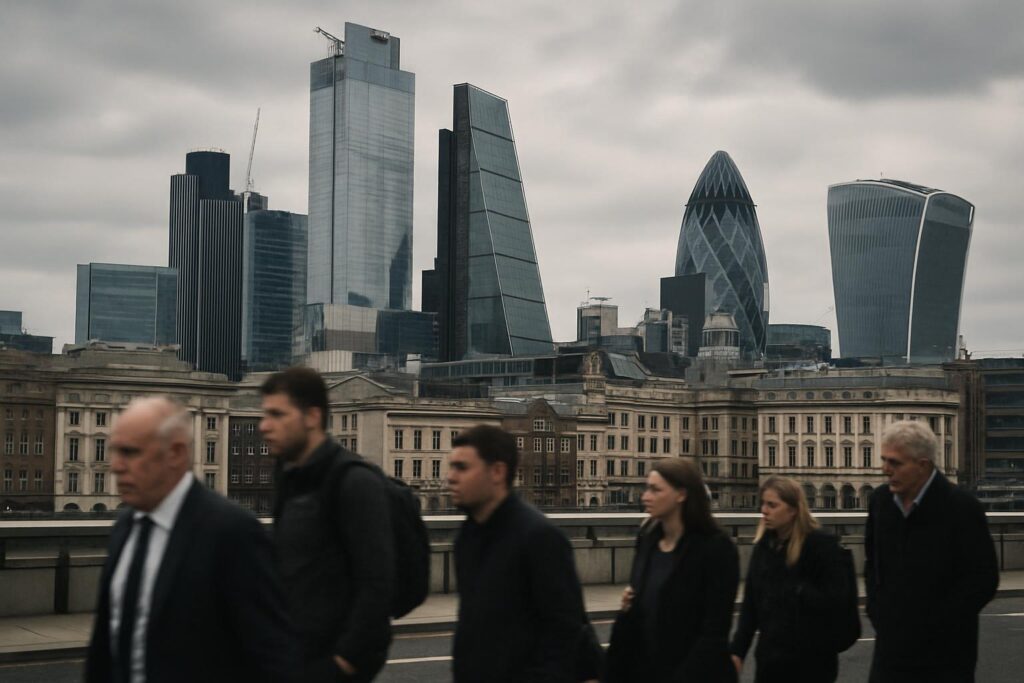
Global markets have responded to these tensions with mixed signals: oil prices remain volatile, and stock indices show varied movements. The FTSE 100 index has been relatively flat, while Wall Street’s Nasdaq has dipped by 1%, reflecting investor caution amid geopolitical uncertainties.
Implications for Future Policy and Market Sentiment
Economists suggest that the combination of rising unemployment and slowing wage growth could influence the Bank of England’s monetary policy decisions, making a June interest rate hike less likely. The tight labour market, which previously signaled tightening conditions, now appears to be softening due to external shocks and internal economic pressures.
Additionally, some analysts warn of a potential slowdown in consumer spending and business investment if these trends persist, which could further dampen economic growth in the months ahead.
Broader Economic and Political Developments
The UK’s economic outlook is also being affected by ongoing infrastructure projects, corporate strategies, and international trade tensions. For instance, delays in major infrastructure like HS2 and shifts in corporate strategies by firms such as Shell and Greene King highlight a period of adjustment and uncertainty in the business landscape.
As the UK navigates these complex challenges, policymakers, investors, and consumers remain watchful for further developments that could shape the country’s economic trajectory in 2026 and beyond.