



Geopolitical Volatility Impacts Global Markets
Global financial markets opened the week with a clear reaction to escalating geopolitical tensions in the Middle East. Crude oil prices saw an upward movement, while U.S. stock index futures recorded a decline as investors assessed the latest developments involving the United States and Iran.
The market response follows reports of renewed strikes occurring over the weekend in the vicinity of the Strait of Hormuz. This critical maritime chokepoint, which serves as a vital artery for global energy supplies, remains a central focus for analysts monitoring energy security and its subsequent impact on macroeconomic stability.
Energy Markets React to Strait of Hormuz Developments
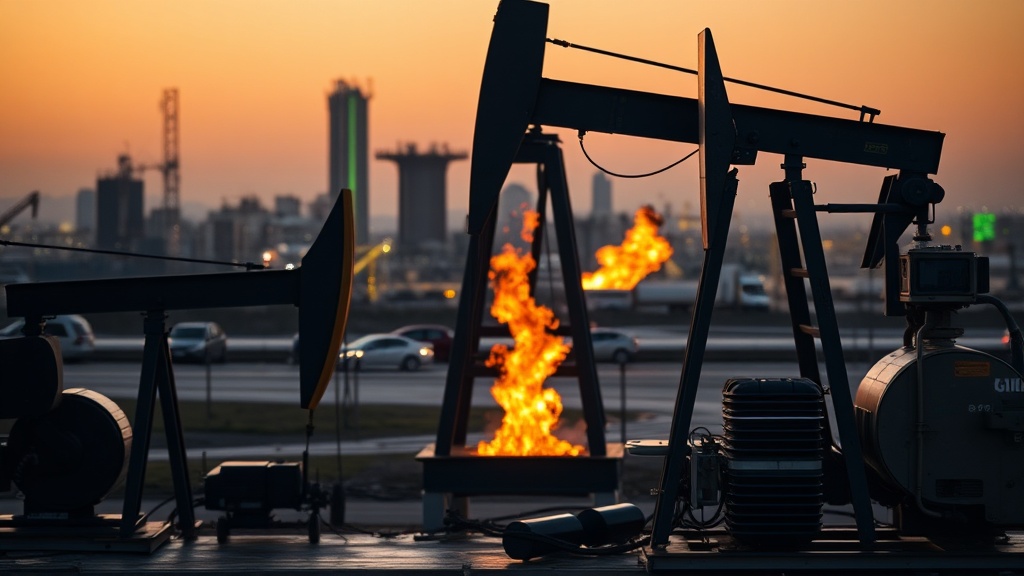
The rise in oil prices reflects the risk premium often associated with conflict in regions central to global energy production and transit. As tensions flare, market participants typically adjust positions to account for potential supply chain disruptions. The Strait of Hormuz is particularly significant, as a substantial portion of the world’s daily oil consumption passes through these waters.
Equity Futures and Investor Sentiment
Simultaneously, U.S. stock futures trended lower as news of the weekend’s events reached traders. Geopolitical instability often triggers a flight to safety, leading to pressure on equity markets as investors move toward lower-risk assets. Analysts are currently observing how these developments will influence market sentiment as the trading week progresses.
While the immediate market reaction has been negative for equities and supportive for oil prices, the long-term impact will likely depend on the duration and intensity of the military activity. The situation remains fluid, with global markets closely monitoring official statements and regional developments for further signals regarding potential supply risks or broader economic implications.