


Market Performance and Order Dynamics
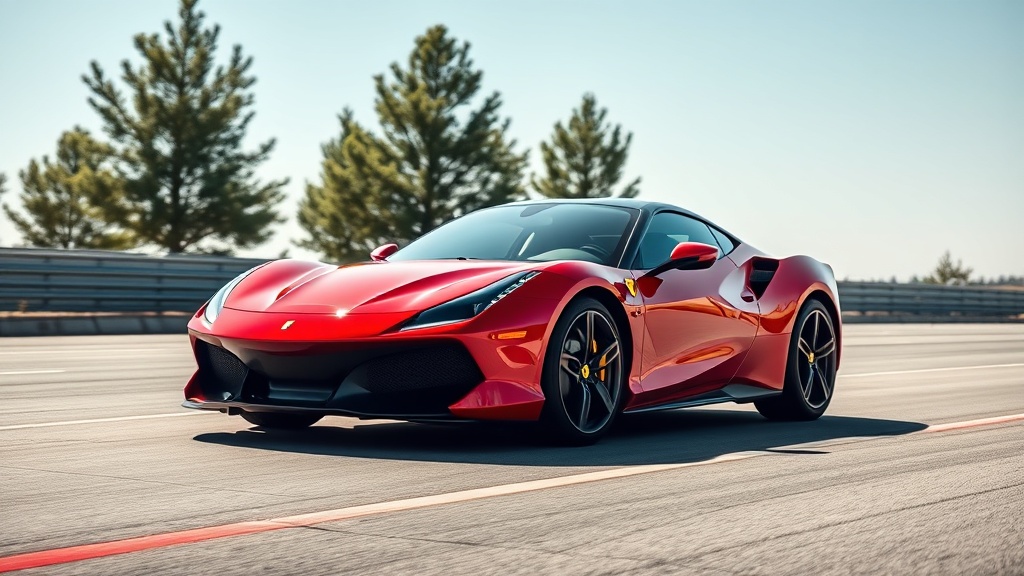
Following the unveiling of the Luce, Ferrari’s first fully electric vehicle, the company faced significant public criticism regarding the car’s minimalist design. Despite this online backlash, which coincided with the departure of the company’s chief marketing and commercial officer, the financial indicators suggest that demand remains robust. Ferrari CEO Benedetto Vigna has confirmed that the order book for the Luce is already filled through the end of 2027. Deliveries for the vehicle are scheduled to commence in October.
Market data further underscores a disconnect between the critical narrative and commercial reality. Although Ferrari’s stock (NYSE: RACE) saw a 6% decline on the day of the product reveal, it recovered quickly. Since the day following the announcement, the stock has outperformed the broader S&P 500 index. In the Chinese market, initial reports indicated that the entire regional allotment of the Luce, with starting prices around $586,000, was sold out immediately upon release.
Historical Context for Automotive Shifts
Industry analysts often observe that dramatic shifts in brand strategy—particularly those involving electrification—frequently encounter initial resistance from purists. However, historical precedents suggest such transitions can ultimately drive growth. Examples include:
- Ford Motor Company: The launch of the Mustang Mach-e faced significant skepticism, yet the model eventually demonstrated strong sales performance compared to the traditional internal combustion engine Mustang.
- Lamborghini: The introduction of the Urus SUV was initially met with criticism for deviating from the brand’s traditional low-slung hypercar aesthetic. The model subsequently became a significant driver of the company’s global sales volume.
- Porsche: The Cayenne served as a similar pivot point, proving that luxury manufacturers can successfully expand their portfolios while maintaining brand prestige.
Business Fundamentals and Industry Positioning
Ferrari continues to maintain a distinct position in the automotive sector, often valued by investors more similarly to a luxury goods company than a traditional automaker. The firm consistently reports operating margins that exceed those of its mass-market competitors. Furthermore, Ferrari’s target demographic—the ultra-wealthy—renders the company less susceptible to the cyclical downturns and consumer spending fluctuations that typically impact the wider automotive industry.
While the transition to an electrified era marks a fundamental change in the manufacturer’s heritage of high-end gasoline-powered engines, current order trends suggest that the brand’s core customer base remains engaged. For long-term investors, the focus remains on the company’s ability to maintain its high-margin business model while successfully navigating the technological evolution of the automotive market.