









The Evolution of Automotive AI Integration
The automotive industry is increasingly characterized by a transition from traditional hardware-centric manufacturing to complex software and artificial intelligence ecosystems. As major players in the electric vehicle (EV) sector seek to diversify their revenue streams, artificial intelligence has become a primary focal point, specifically regarding autonomous driving capabilities and production efficiency.
Rivian Automotive (NASDAQ: RIVN) has emerged as a case study in this shift. While the company remains classified as an EV manufacturer, its operational strategy has moved toward deep AI integration. This pivot includes the internal development of AI-specific chips and a significant commitment to self-driving software, marking a transition that prioritizes technological infrastructure over traditional consumer-grade vehicle production.
Operational Shifts and Market Performance
Rivian’s strategic realignment was underscored by its inaugural “AI Day” held in December 2025. During the event, the company outlined plans to leverage AI to optimize manufacturing throughput and reduce operational costs. However, the market response to these announcements has been volatile. Following an initial surge in late 2025, shares have experienced downward pressure, reflecting broader market skepticism regarding the timeline for profitability and the capital intensity required for such technological pivots.
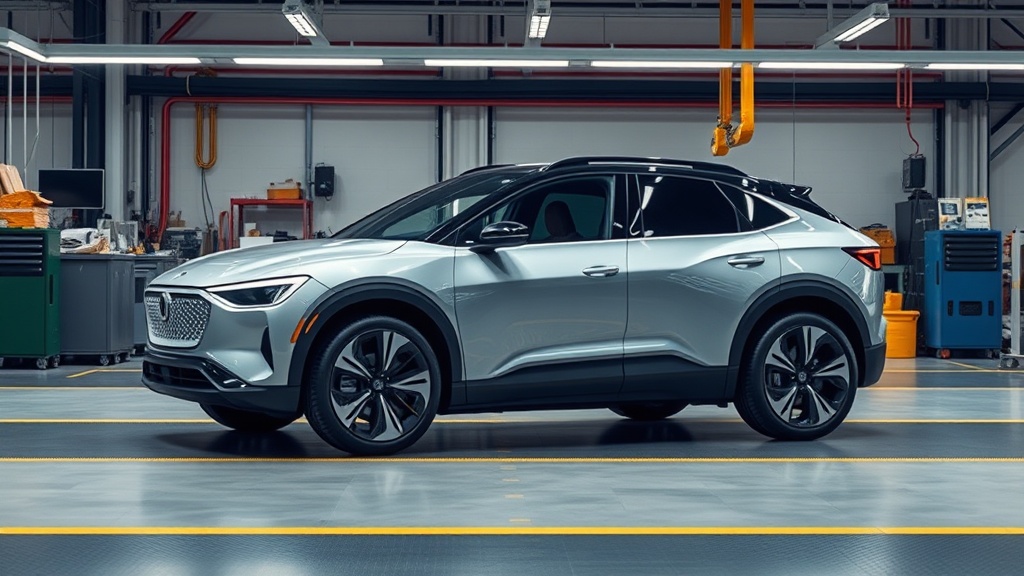
Current analyst projections indicate a period of significant scaling. Revenue growth expectations are set at approximately 31% for the current year, with forecasts suggesting an acceleration to 64% in the following year. This growth is primarily attributed to the market entry of the R2 SUV, the company’s first vehicle priced below the $50,000 threshold.
Institutional Interest and Commercial Applications
Despite current stock price fluctuations, the company has attracted interest from major commercial partners looking toward the future of autonomous mobility. In March, Uber Technologies secured an order for up to 50,000 R2 vehicles, valued at approximately $1.25 billion. This transaction, structured as a direct investment, highlights a growing demand for specialized hardware capable of supporting large-scale robotaxi operations.
Financial analysts note that as of mid-2026, Rivian trades at a valuation of approximately 3.4 times sales. The long-term viability of this valuation remains contingent upon the company’s ability to successfully scale production of the R2 model while simultaneously integrating its proprietary AI systems into both its vehicle fleet and manufacturing processes.
Key Considerations for Market Participants
- Revenue Scaling: The transition from prototype to mass-market production of the R2 SUV is the primary driver for projected sales growth.
- Capital Expenditure: The heavy investment in AI chips and autonomous software has led to revised profitability expectations, with management not anticipating profitability before 2027.
- Sector Comparison: Unlike established tech-heavy AI stocks that currently command high premiums, Rivian’s market valuation is still largely tied to its performance as an automotive entity, creating a distinct risk-reward profile for investors monitoring the company’s AI-driven transition.
As the company continues to navigate the intersection of EV manufacturing and AI development, its ability to translate technological capability into consistent accounting revenue remains the central metric for long-term institutional assessment.