



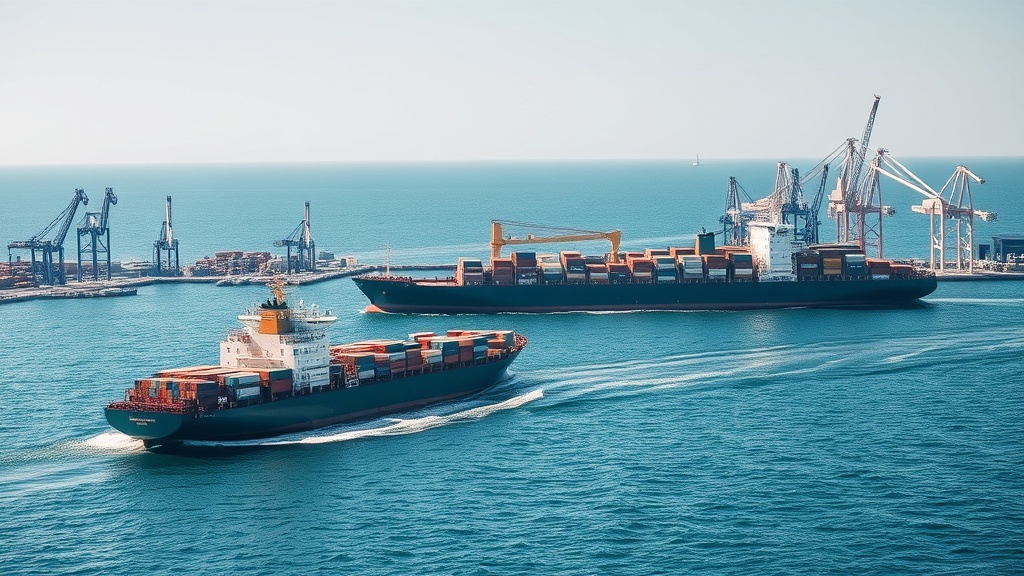
The global shipping insurance sector is navigating a period of renewed uncertainty following a maritime attack linked to Iran. This development arrives at a critical juncture, as the industry had only recently seen a significant cooling in war-risk premiums, which had been trending downward as market participants anticipated a period of relative stability in major shipping lanes.
The Shift in Market Sentiment
For months, shipping lanes in the Middle East and surrounding regions have been subject to heightened security protocols, necessitating elevated war-risk insurance premiums for commercial vessels. However, market data leading up to the recent incident indicated a narrowing of these costs. This trend reflected a degree of market adaptation to existing geopolitical risks and a cautious optimism regarding transit security.
The latest incident serves as a stark reminder of the fragility of these market corrections. Underwriters are now tasked with re-evaluating the risk profile of commercial transit in volatile zones. When geopolitical tensions manifest as physical threats to maritime infrastructure, insurance providers typically respond by recalibrating their pricing models to account for the increased likelihood of claims and the cost of capital associated with higher risk.
Implications for Global Logistics
- Premium Re-evaluation: The downward trajectory of war-risk premiums is likely to face immediate upward pressure as insurers adjust for the renewed threat.
- Operational Costs: For shipping firms, insurance remains a non-negotiable overhead. Any sustained increase in these premiums will inevitably ripple through the logistics chain, potentially impacting the final cost of goods transported through sensitive regions.
- Market Stability: The capacity for the insurance market to absorb such shocks depends on the long-term outlook for regional stability. Analysts are closely monitoring whether this incident represents a localized event or a broader shift in regional maritime security.
As the situation unfolds, stakeholders in the maritime and finance sectors are monitoring the response from major underwriters. The ability of the insurance market to accurately price these risks is essential for maintaining the flow of international trade, particularly in regions where energy and commodity shipments are concentrated.
While the recent decline in premiums suggested an evolving tolerance for risk, the current environment necessitates a more conservative approach. The insurance industry’s reaction in the coming weeks will provide a clearer picture of how the broader market intends to manage the ongoing interplay between geopolitical instability and global supply chain integrity.