




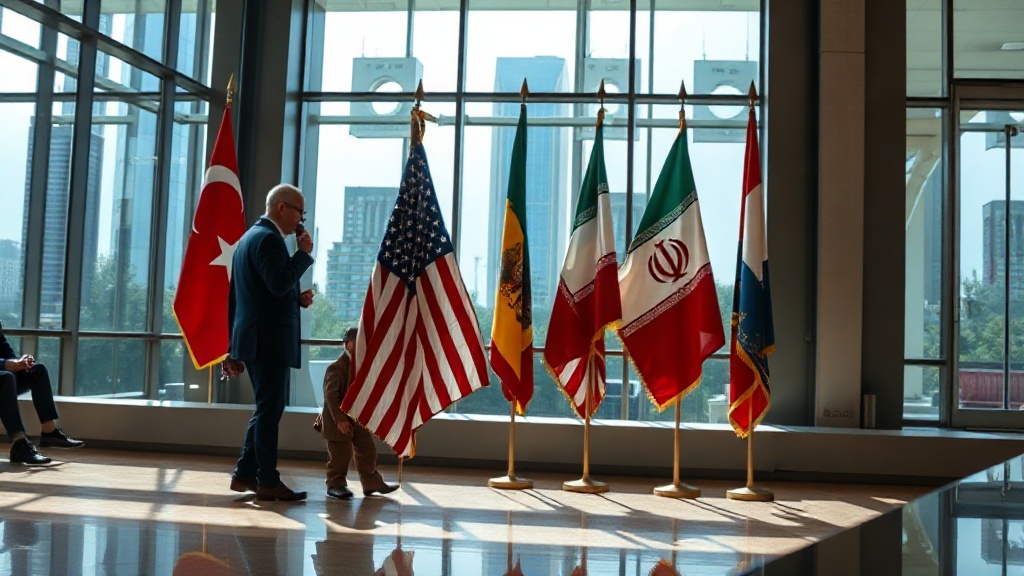
Financial markets are closely monitoring the developments surrounding a newly announced framework for a peace deal between the United States and Iran. As stakeholders await the formal release of the text, the potential for shifts in geopolitical risk premiums and energy market dynamics has become a focal point for global investors.
Understanding the Framework
While the specific details of the agreement remain under review pending the official document release, the framework signals a significant shift in the diplomatic landscape. Historically, tensions between the two nations have served as a recurring catalyst for volatility in energy pricing and safe-haven asset demand, particularly within the gold and currency markets.
Key Considerations for Investors
Market participants are evaluating how this framework could influence three primary economic sectors:
- Energy Markets: Any easing of sanctions or diplomatic normalization typically carries implications for global crude oil supply chains. Analysts are watching to see if the framework provides a pathway for increased Iranian energy exports to international markets.
- Geopolitical Risk Premiums: The reduction of regional tensions often leads to a recalibration of risk assets. Investors often adjust their portfolios when the perceived probability of conflict decreases, potentially impacting regional equity indices and currency stability.
- Safe-Haven Assets: Assets traditionally viewed as hedges against geopolitical instability, such as gold and certain currencies, are frequently sensitive to news regarding U.S.-Iran relations. A formalization of this peace framework may influence trading volumes and price action in these segments.
As reported by MarketWatch, the framework serves as the foundation for broader discussions. The primary challenge for markets in the immediate term is the uncertainty regarding the implementation schedule and the extent of the economic provisions contained within the agreement.
Macroeconomic Outlook
For the broader economy, the normalization of diplomatic ties represents a potential change in the global supply side. Economists emphasize that the impact on inflation and interest rate expectations will depend heavily on the specifics of the sanctions relief, if any, and the subsequent integration of Iranian trade into the global financial system.
Investors are advised to maintain a focus on official government releases and verified diplomatic statements as the framework transitions into a potential long-term agreement. Until the text is fully disclosed, market reactions are likely to remain speculative, reflecting the cautious sentiment inherent in geopolitical risk assessment.