



Strengthening Oversight in Emerging Financial Markets
As prediction markets gain traction as a tool for forecasting economic and political outcomes, operators are intensifying their efforts to detect and deter illicit activity. Recent reports indicate that platforms like Kalshi are actively identifying hundreds of instances of suspected insider trading, signaling a shift toward more rigorous self-regulation within this nascent sector.
Prediction markets allow participants to wager on the outcome of future events, ranging from Federal Reserve interest rate decisions to specific economic indicators. Because these platforms rely on the accuracy of incoming information to set prices, they are inherently sensitive to individuals attempting to leverage non-public data for financial gain.
The Mechanics of Market Integrity
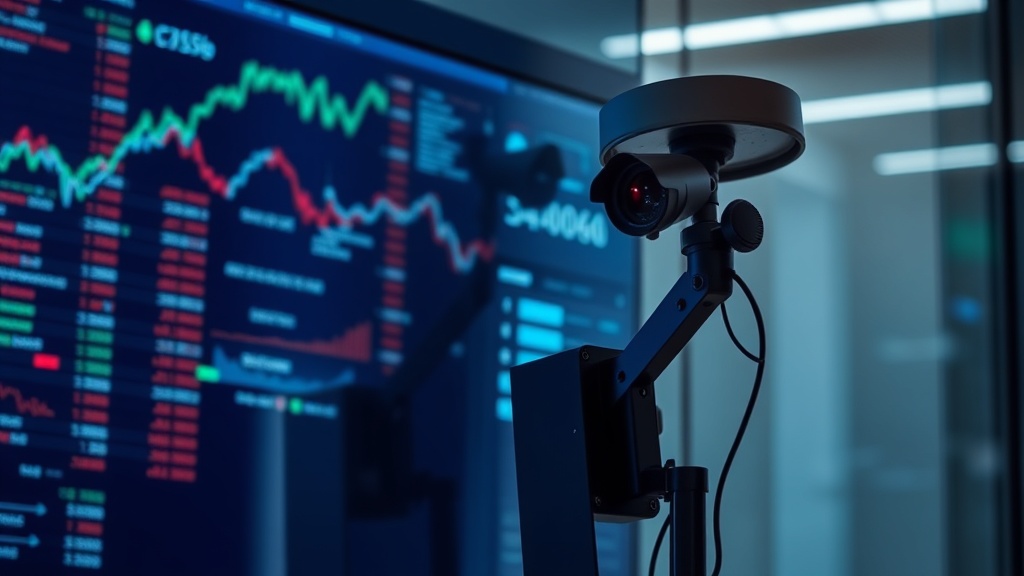
The core challenge for prediction platforms lies in the distinction between informed speculation and the misuse of confidential information. As these markets evolve, operators are increasingly deploying sophisticated surveillance technology to monitor trading patterns, cross-reference account activity, and flag anomalies that suggest the use of privileged information.
By identifying and investigating hundreds of suspicious cases, platform providers aim to establish a framework of accountability. This proactive stance is intended to bolster investor confidence, ensuring that the predictive value of these markets remains rooted in aggregate public data rather than the actions of a few individuals with access to private knowledge.
Broader Implications for Market Participants
The push to curb insider trading reflects a broader trend toward the professionalization of prediction markets. As these platforms are increasingly viewed as legitimate barometers for macro-economic sentiment, the regulatory scrutiny they face will likely continue to rise.
For businesses and market participants, the message is clear: the era of lax oversight in prediction markets is ending. As operators take concrete steps to make examples of those violating market integrity, the landscape is shifting toward a more transparent, albeit more regulated, environment for event-based trading.