

Market Analysis on Tesla’s Autonomous Technology
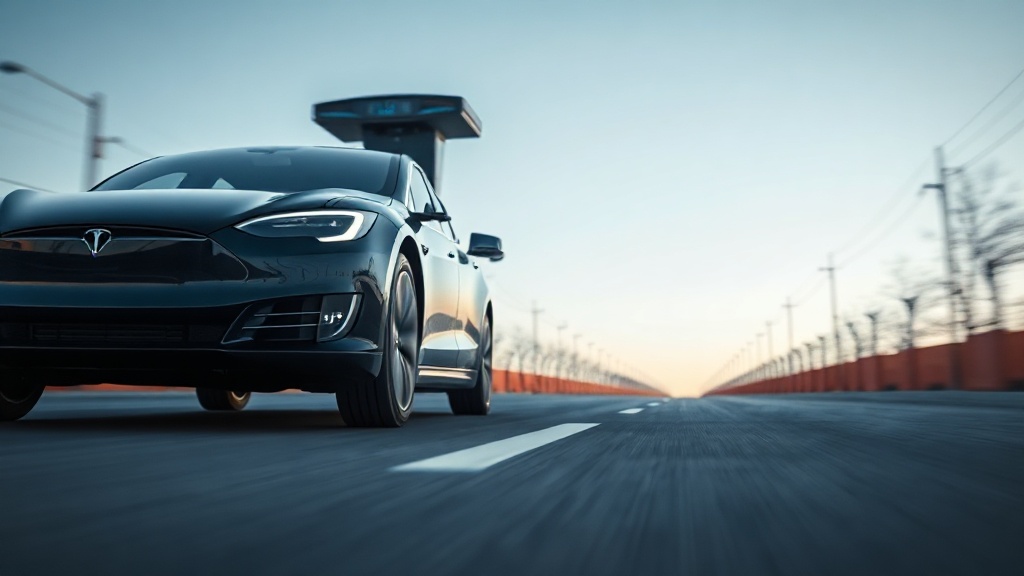
A recent assessment from a Piper Sandler analyst has shifted the conversation surrounding Tesla Inc.’s autonomous driving efforts, suggesting that the company’s internal progress may be more substantial than current public statements indicate. The commentary highlights a growing divergence between the company’s cautious public messaging regarding its Full Self-Driving (FSD) software and the technological milestones observed by market observers.
According to the research note, the analyst posits that Tesla has effectively addressed core challenges associated with the ‘self-driving puzzle.’ This perspective suggests that the data-gathering capabilities and neural network improvements inherent in the company’s fleet have reached a level of sophistication that exceeds market expectations for immediate deployment.
Contextualizing Technological Milestones
The automotive and technology sectors have long debated the timeline for achieving high-level vehicle autonomy. Tesla has consistently utilized its fleet of vehicles to collect real-world driving data, which is then processed through its proprietary artificial intelligence models. The analyst’s claim centers on the efficacy of this data loop, which aims to refine vehicle decision-making processes in diverse and complex driving environments.
Market participants often monitor such analyst sentiment closely, as it can influence perceptions of the company’s long-term valuation and its competitive moat against other manufacturers and technology firms currently investing heavily in autonomous systems. However, the gap between technical capability and regulatory approval remains a significant variable for investors to consider.
Implications for the Sector
While the claim of having ‘solved’ the autonomous puzzle is notable, it is essential to distinguish between technological readiness and the broader ecosystem of requirements for fully autonomous transport. These include:
- Regulatory Frameworks: The ongoing development of safety standards and liability protocols across various jurisdictions.
- Operational Validation: The rigorous testing required to prove system reliability across millions of miles in varying climate and traffic conditions.
- Public Trust: The necessity of consumer and institutional acceptance of autonomous systems on public roads.
As Tesla continues to iterate on its software, the focus remains on how these technological advancements will be integrated into the company’s broader business model. The analyst’s note serves as a reminder of the high expectations placed on Tesla’s AI division, which remains a central component of its corporate narrative and market positioning.