





Verizon is navigating a complex period of corporate restructuring as it attempts to reverse years of subscriber losses. Under the leadership of CEO Dan Schulman, who took the helm in October 2025, the company has initiated aggressive operational changes. However, these efforts to streamline operations and boost sales are encountering significant friction at the retail level, with reports suggesting that mandatory sales mandates are impacting customer wait times and staff morale.
Operational Challenges and Sales Mandates
Since Schulman’s appointment, Verizon has sought to “aggressively transform” its business model, following a period that saw the carrier lose 2.25 million postpaid phone customers over three years. Part of this strategy has included significant workforce reductions, including 13,000 layoffs in November 2025 and subsequent cuts at the company’s New Jersey headquarters.
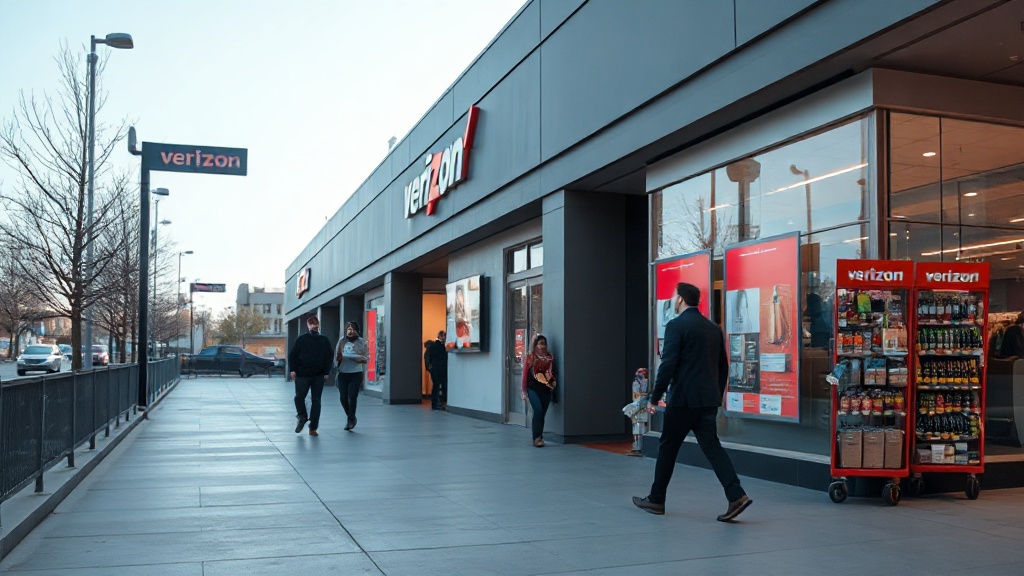
Retail employees have recently expressed concerns via social media, alleging that management has implemented a rigid sales protocol. According to these accounts, staff are required to offer a comprehensive list of products and services—ranging from home internet and tablets to insurance plans—to every customer, regardless of their specific needs. Employees claim that this mandate, combined with a requirement for manager approval between quotes, has significantly increased wait times for in-store visitors, with some reports citing delays exceeding two hours.
Competitive Positioning and Consumer Sentiment
The internal push for higher sales volume occurs as Verizon struggles to maintain parity with competitors in consumer satisfaction. A January J.D. Power survey highlighted a growing gap between traditional national carriers and mobile virtual network operators (MVNOs). In the study, Verizon earned a consumer satisfaction score of 593 on a 1,000-point scale for postpaid phone plans, trailing T-Mobile’s 631 and falling behind the MVNO category average of 630.
The survey results suggest that consumers are increasingly prioritizing ease of interaction—specifically in resolving billing issues and receiving quick service—over network quality alone. Carl Lepper, senior director of technology, media, and telecom at J.D. Power, noted that “true loyalty comes from how easy it is for customers to work with a carrier once they’re in the system.”
Postpaid Phone Plan Consumer Satisfaction (J.D. Power)
- T-Mobile: 631
- Spectrum Mobile: 614
- Verizon: 593
- AT&T: 587
Despite these challenges, there are signs that Verizon’s broader turnaround strategy is gaining traction. In the first quarter of 2026, the company reported the addition of 55,000 new postpaid phone customers. However, the competitive environment remains intense, as evidenced by wireless retail postpaid churn reaching 0.97% during the same period, an increase of 2 basis points year-over-year.
As Verizon balances the need for subscriber growth with the realities of customer experience, the company faces the ongoing challenge of aligning its aggressive corporate sales targets with the service-oriented expectations of its user base.