


A Second Chapter 11 Filing for Bravo Brio
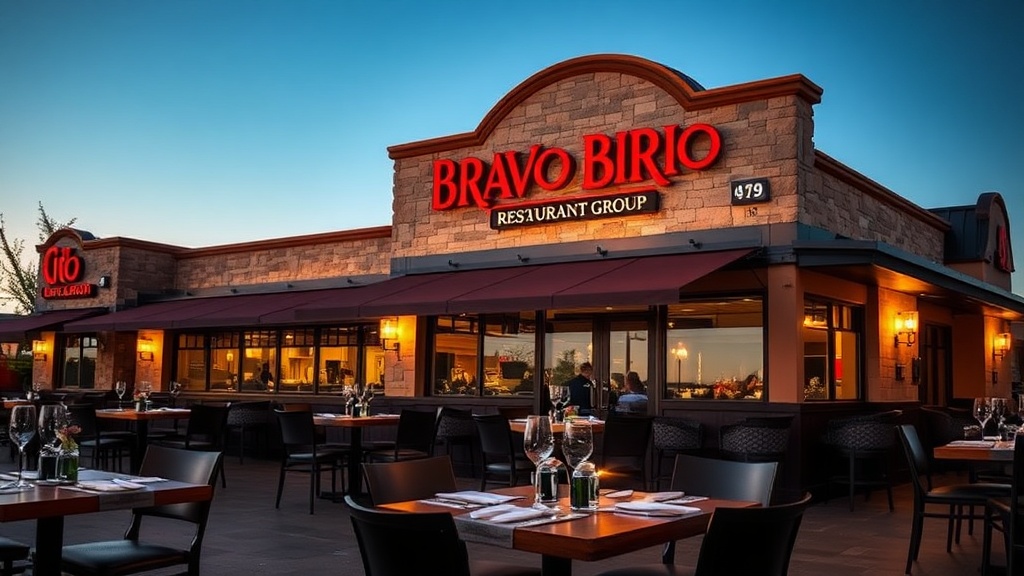
Bravo Brio Restaurant Group, a long-standing competitor to the Darden-owned Olive Garden, has filed for Chapter 11 bankruptcy for the second time. The August 2025 filing in the Florida Middle Bankruptcy Court signals a difficult period for the casual-dining operator, which has seen its footprint dwindle significantly over the years. Once operating as many as 130 locations, the combined Bravo and Brio brands are now down to just 38 remaining restaurants—19 under each brand.
Economic Pressures and Operational Challenges
In its court filings, the company cited a combination of macroeconomic headwinds and changing consumer behavior as primary drivers for its financial decline. The restaurant group pointed to several critical factors that have made profitability difficult:
- Rising Costs: Persistent inflationary pressure has significantly increased the price of food and labor.
- Softening Demand: A decline in discretionary consumer spending has impacted the casual-dining sector.
- Location Vulnerability: Many of the group’s restaurants were situated in shopping centers suffering from high vacancy rates and reduced foot traffic.
“These pressures have proved insurmountable to numerous other legacy casual-dining restaurant brands, many of whom have also turned to bankruptcy as a tool for restructuring,” the company stated in a press release.
Financial Snapshot of the Restructuring
As part of the current court-supervised process, the company disclosed that its liabilities range between $10 million and $100 million. Major creditors include Sysco Corp., alongside significant outstanding obligations to various landlords and property managers across the United States. To maintain operations during the proceedings, the company secured a $3.5 million revolving credit facility provided by GPEE Lender, LLC.
Identity Crisis and Market Positioning
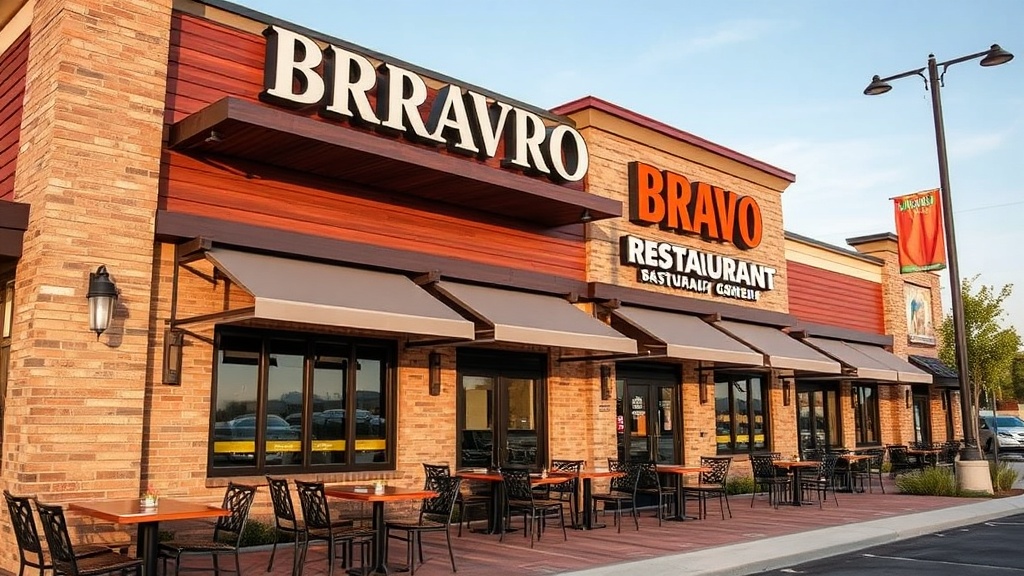
Industry analysts suggest that the brand’s issues go beyond mere economic factors. Dominick Miserandino, CEO of RTM Nexus, noted that Bravo and Brio once succeeded by offering an alternative to the highly corporate atmosphere of Olive Garden. However, he argues that after initial corporate restructuring, the brands began to mimic the very chains they were supposed to compete against, effectively losing their unique identity.
This “upscale casual” positioning has become a precarious place to be in the current market. Data from Black Box Intelligence indicates that while value-driven chains have seen growth, the upscale casual segment has struggled as cautious consumers trade down to more budget-friendly options.
A Broader Trend in Italian Dining
Bravo Brio is not alone in its struggles. The casual Italian dining sector has seen several major players face financial distress, including bankruptcies for Bertucci’s and Buca di Beppo, while others like Romano’s Macaroni Grill have seen steady declines. As the industry evolves, legacy brands are finding that surviving in an era of high costs and shifting shopping habits requires more than just a restructuring of debt; it requires a compelling reason for diners to choose them over both the discount and fine-dining alternatives.