

UK GDP Surpasses Expectations in First Quarter of 2026
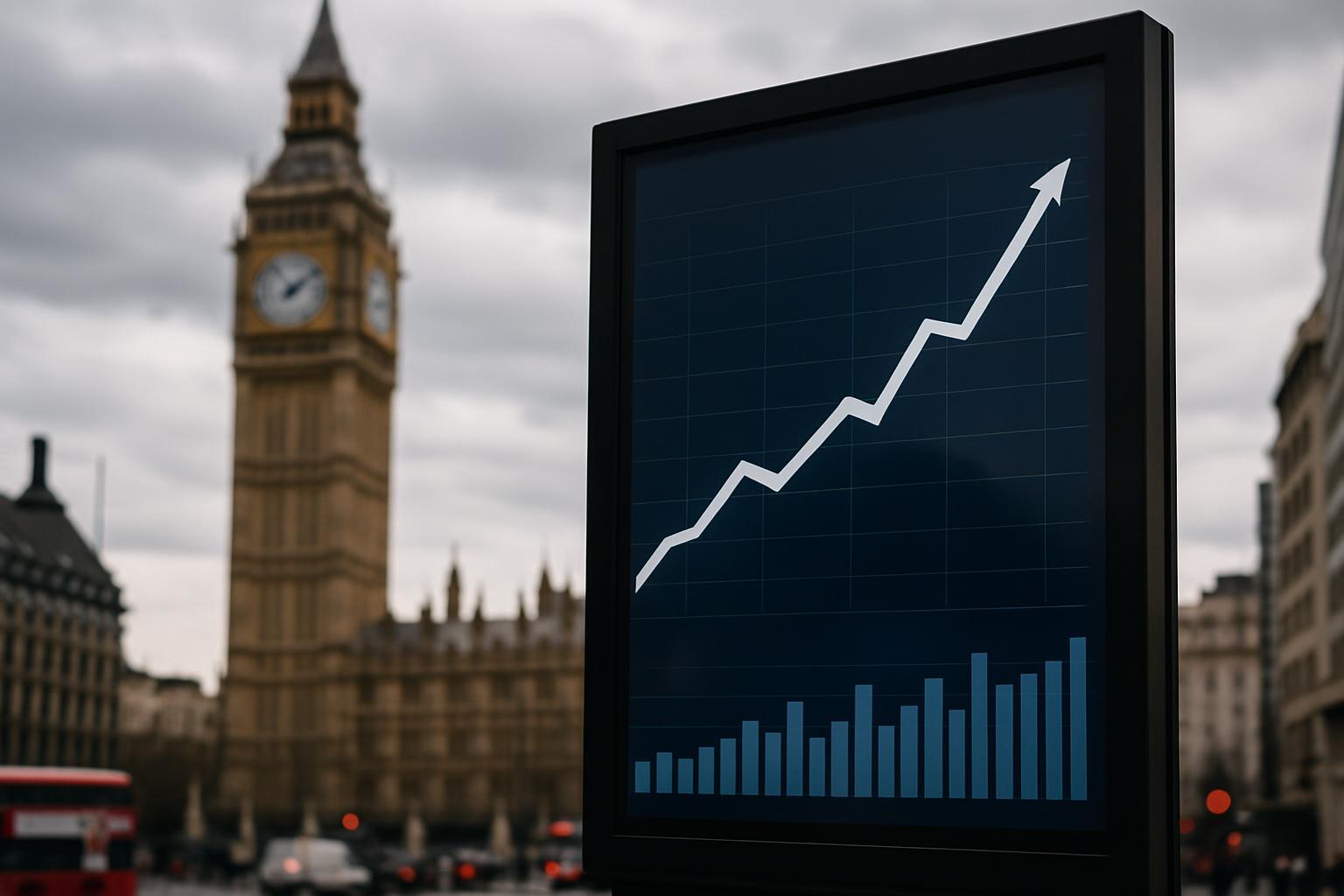
The United Kingdom’s economy demonstrated resilience in the opening months of 2026, with gross domestic product (GDP) expanding by 0.6% in the first quarter, surpassing many analysts’ forecasts. This growth was driven by broad-based expansion across key sectors, including services and construction, despite ongoing global and domestic challenges.
Details of the Latest GDP Figures
The Office for National Statistics (ONS) reported that March alone saw a GDP increase of 0.3%, contributing to the quarterly rise. Notably, the service sector, which accounts for the majority of UK economic activity, grew by 0.3%, with 11 out of 14 subsectors experiencing higher output. Construction also expanded significantly, with a monthly increase of 1.5%, driven by rises in new building work and repairs.
While industrial production declined slightly by 0.2%, manufacturing rebounded with a 1.2% increase. These figures suggest a resilient economy that continues to perform despite headwinds.
Economic Outlook and Risks
Economists acknowledge that the strong start to 2026 may represent the peak of growth for the year. Experts from institutions like Capital Economics and brokerage firms warn that ongoing geopolitical tensions, particularly the conflict in Iran, could dampen future growth prospects. The surge in energy prices resulting from the conflict is expected to exert a negative demand shock over the coming quarters.
Additionally, political instability within Westminster remains a significant concern. The possibility of a leadership contest within the Labour Party, with figures like health secretary Wes Streeting potentially challenging Keir Starmer, has raised fears of further chaos and uncertainty that could hinder economic stability.
Political Stability as a Cornerstone of Confidence
Rachel Reeves, the UK Chancellor, emphasized the importance of maintaining political and economic stability. In a recent interview, she warned against actions that could plunge the country into chaos, stressing that the government’s current economic plan has positioned the UK better to handle external shocks such as the Iran war.
“We shouldn’t put our economic stability at risk by plunging the country into chaos at a time when there is conflict in the world, but also when our plan to grow the economy is starting to bear fruit,” Reeves stated.
Market and Financial Conditions
The financial markets reflected ongoing uncertainty, with UK bond yields falling slightly at the start of trading. The 10-year gilt yield declined by 3 basis points to 5.04%, indicating some easing in borrowing costs. Nonetheless, concerns over rising energy prices and inflation persist, with experts predicting a challenging year ahead.
Impact on Housing and Consumer Spending
The housing market has shown signs of slowdown, with estate agents reporting decreased demand amid fears of higher mortgage rates and inflation driven by the Iran conflict. Consumer spending indicators have also pointed to some weakening, especially in April, as households become more cautious amid rising prices.
Government Measures and Future Support
In light of current economic conditions, Chancellor Reeves announced that more details of government support for households and businesses will be unveiled next week. This includes measures to help with the cost of living crisis, particularly as household energy bills are expected to rise again in July.
Supporting the economy through targeted fiscal measures remains a priority, especially as experts warn that the recent growth spurt might be the most robust performance this year. Continued political stability and prudent economic management will be crucial in navigating the uncertain times ahead.
Conclusion
While the UK economy has demonstrated unexpected strength in early 2026, ongoing geopolitical tensions, rising energy prices, and political instability pose significant risks to sustained growth. Rachel Reeves’s call for stability underscores the importance of cohesive leadership and prudent policy-making to ensure the economy remains on a resilient path amid global uncertainties.